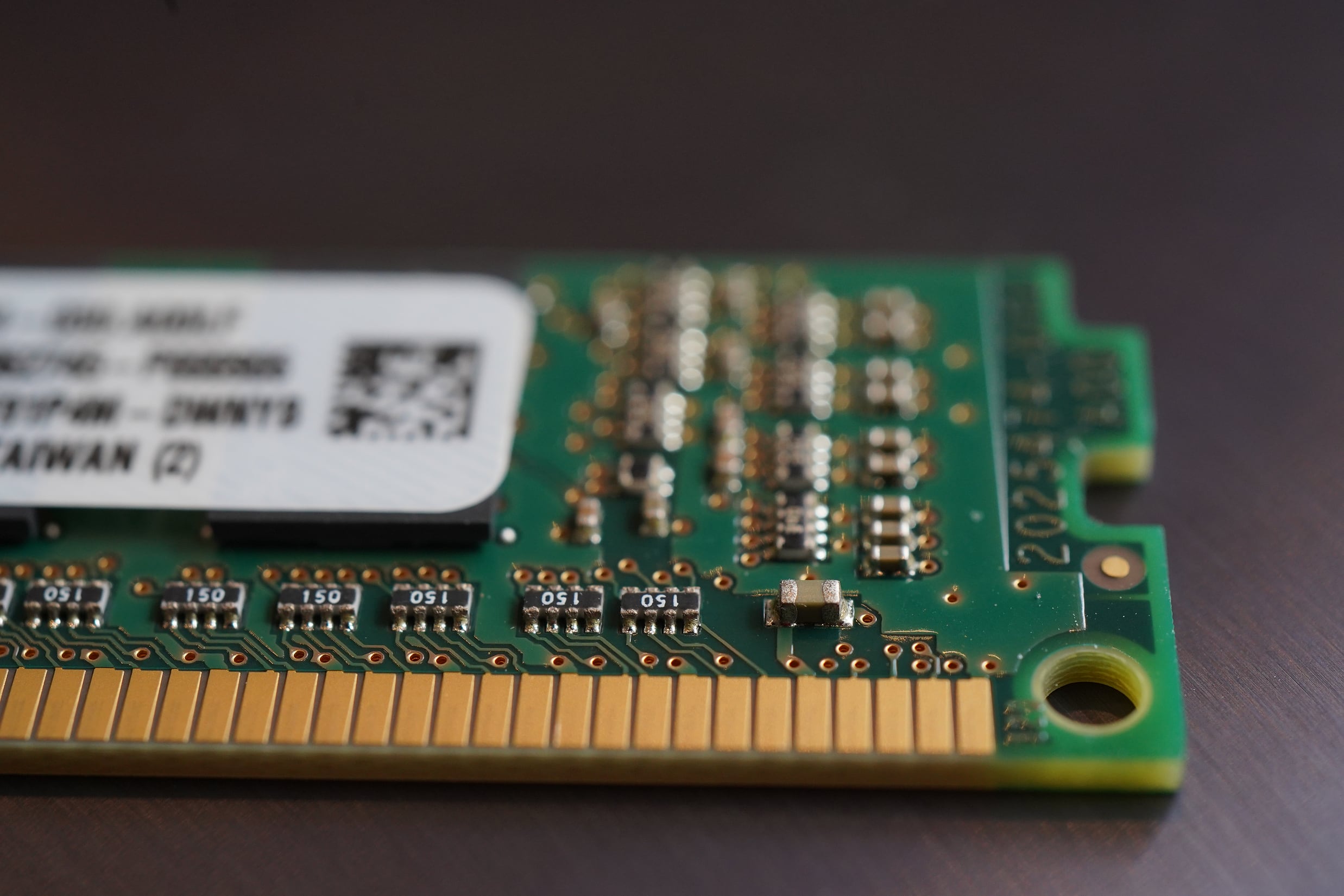
The global semiconductor industry is undergoing a structural realignment that favors the data center over the desktop. According to a report from Nikkei Asia, the world’s leading memory manufacturers are expected to meet only 60 percent of global demand for DRAM by the end of 2027. This persistent shortfall is not merely a symptom of supply chain fragility, but a deliberate pivot toward the lucrative infrastructure required to power generative artificial intelligence.
The "Big Three" of memory production—Samsung, SK Hynix, and Micron—control approximately 90 percent of the market. While all three are aggressively expanding capacity, the timeline for new infrastructure is measured in years, not months. Samsung’s fourth manufacturing plant in South Korea is slated to begin operations this year, yet analysts do not expect it to reach large-scale mass production until at least 2027. The lag reflects the sheer complexity of modern silicon fabrication, where building a facility is only the first step in a long road to yield stability.
For the average consumer, this means the era of cheap, abundant RAM is likely over for the foreseeable future. Manufacturers are increasingly dedicating their fabrication lines to High Bandwidth Memory (HBM) and other high-performance modules for AI training, effectively crowding out the standard components found in laptops and smartphones. As supply remains tight and demand for data-heavy applications grows, the industry is bracing for a sustained period of elevated pricing across the consumer electronics sector.
With reporting from La Nación.
Source · La Nación — Tecnología