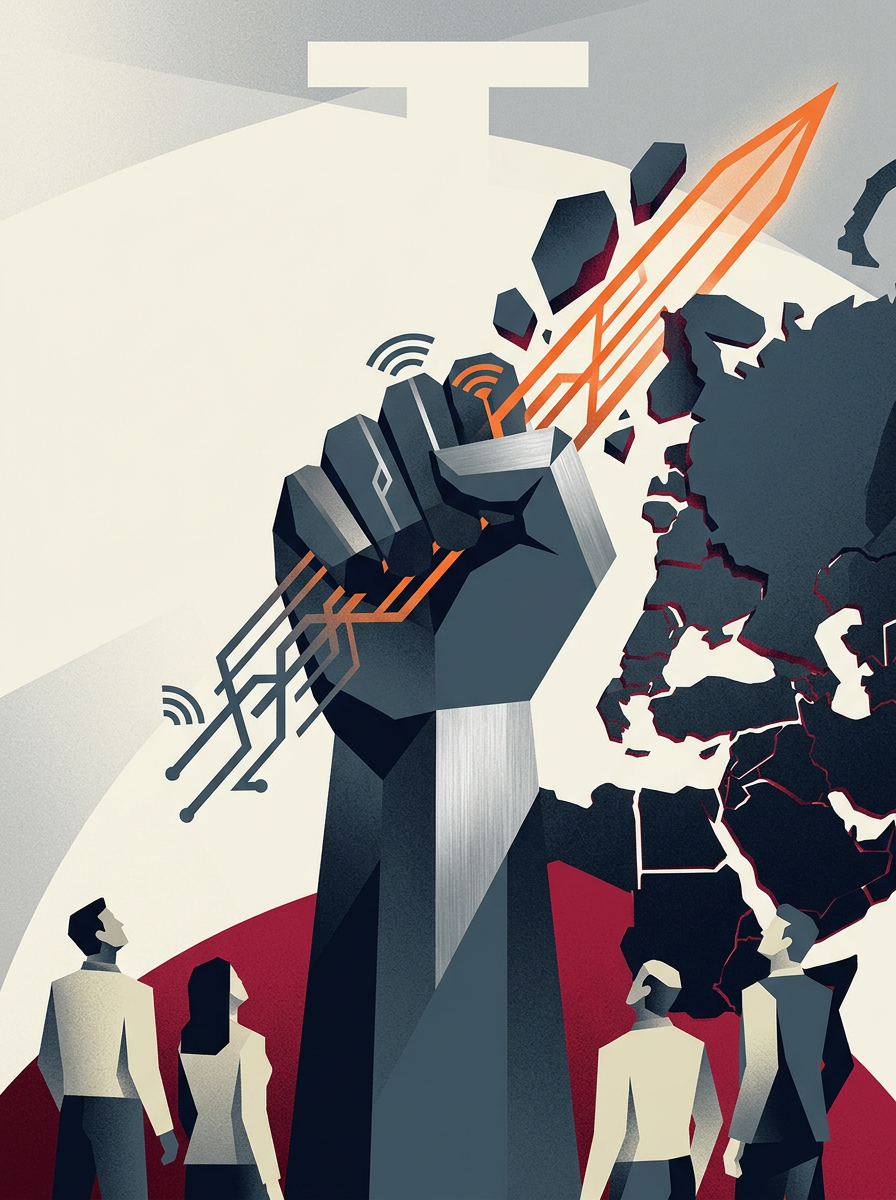
The integration of formal philosophy into the technical vanguard took a concrete step recently with Google DeepMind’s hiring of Henry Shevlin. Moving from the University of Cambridge to the AI giant’s internal team, Shevlin represents a growing recognition that as artificial agents become more sophisticated, the questions they raise are less about code and more about consciousness, ethics, and the structural nature of intelligence.
This search for complex intelligence is simultaneously turning toward the natural world. New analyses of whale vocalizations suggest a level of structural sophistication that mirrors human language, revealing a hidden complexity that has existed for millennia, largely unobserved by human tools. In environmental philosophy, thinkers like Alan Jacobs are advocating for a similar shift away from the abstraction of \"Nature\" toward more specific, partial relationships, suggesting that our moral obligations are best understood through the local and the particular rather than the planetary.
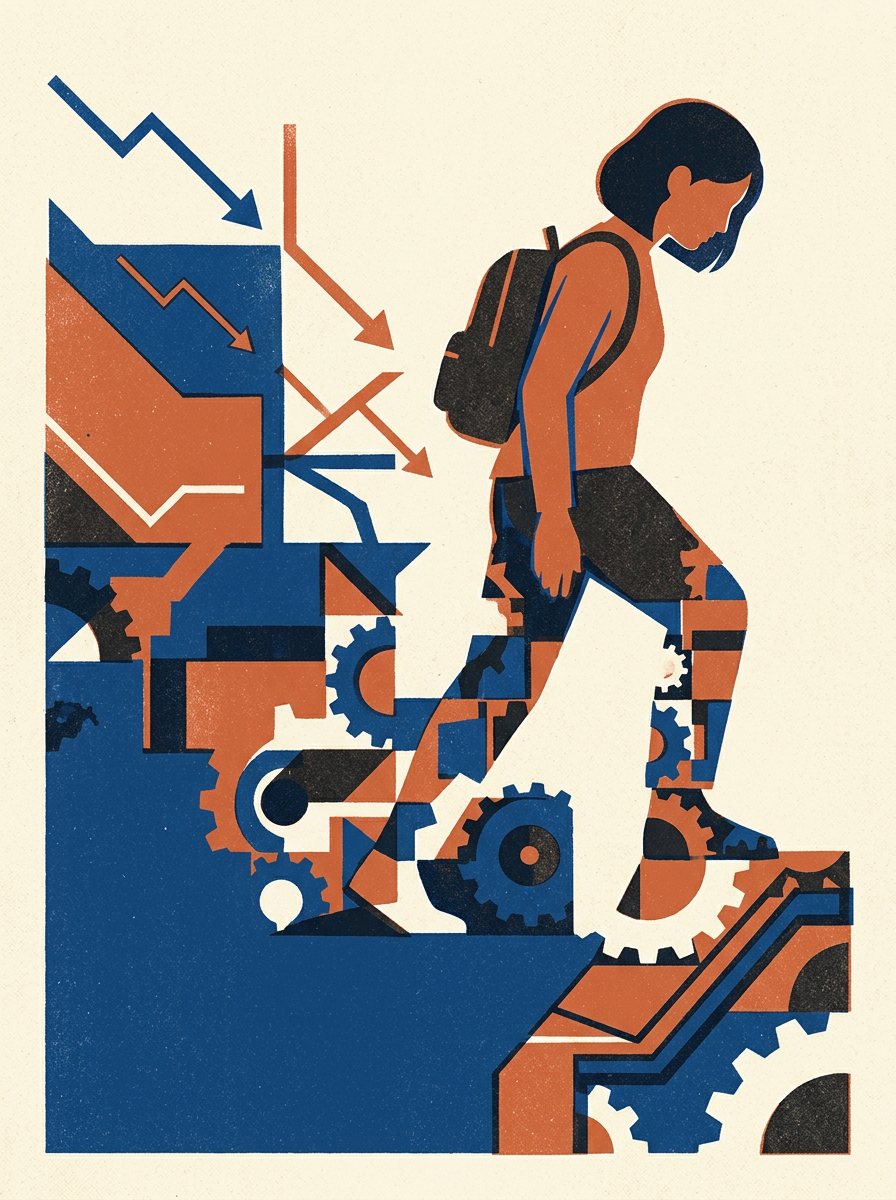
Yet, while we seek intelligence in machines and oceans, our own institutions of learning face a crisis of purpose. The rise of \"degree hacking\" and \"college speed runs\" reflects a shift in higher education where students are treated as customers and degrees as mere job credentials. To counter this institutional erosion, political theorists like Hélène Landemore suggest looking toward citizen assemblies. By designing systems that prioritize the voices of the quiet and the introverted over the loudest or most confident, democracy might finally begin to tap into the collective expertise of the many.
With reporting from Daily Nous.
Source · Daily Nous