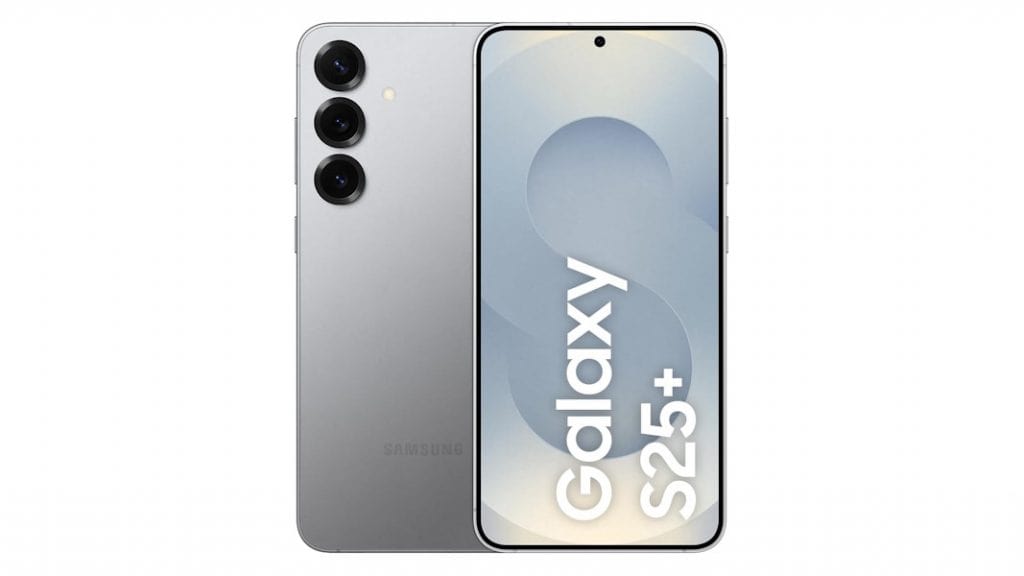
The consumer electronics market often moves faster than the average upgrade cycle, but the current generation of hardware is increasingly defined by the invisible software running beneath the surface. Samsung’s Galaxy S25+, for instance, anchors its value proposition not just in its Snapdragon 8 Elite silicon or its 6.7-inch AMOLED display, but in the integration of Galaxy AI. This shift suggests that the premium smartphone is no longer just a communication tool, but a localized node for generative intelligence.
In the laptop segment, the Lenovo Ideapad Slim 3 illustrates a different priority: the democratization of high-performance specifications. Equipped with an Intel Core i7 and 16 GB of RAM, machines that once occupied the workstation tier are now becoming standard for mobile productivity. Notable is the inclusion of physical privacy shutters for webcams—a small but telling design choice in an era of heightened digital surveillance.
Wearables continue to refine the quantified self. The Apple Watch Series 11, powered by the S11 chip, maintains the trajectory of the wrist-bound health monitor. As these devices see significant price adjustments in various markets, the barrier to entry for high-spec ecosystems is lowering, even as the technology within them becomes more complex.
With reporting from Olhar Digital.
Source · Olhar Digital