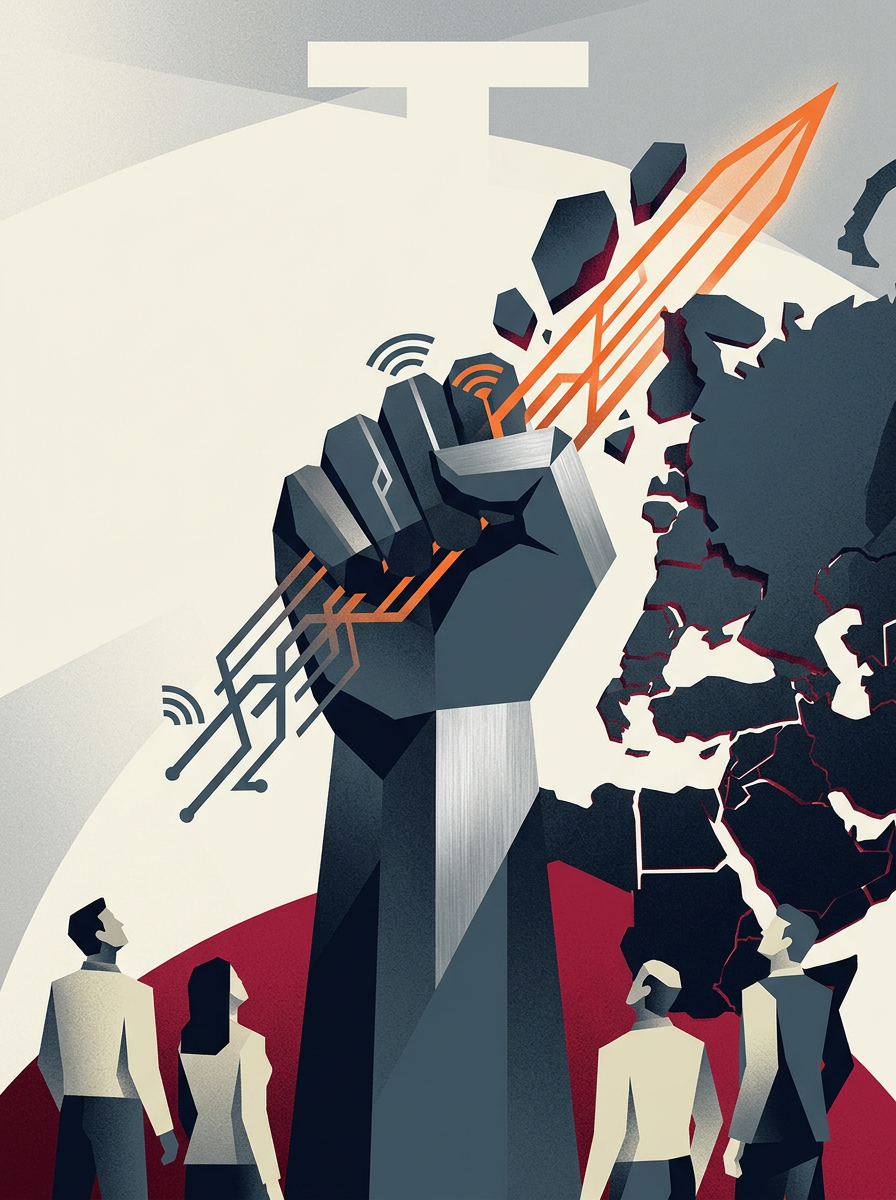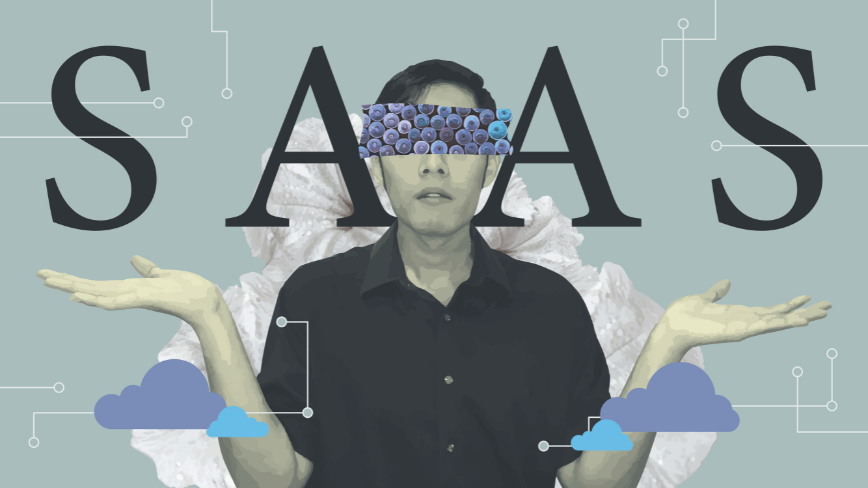
The funeral for Software-as-a-Service is being advertised with suspicious enthusiasm. As generative AI continues its ascent, a new orthodoxy has emerged: the idea that traditional software is a relic, soon to be replaced by fluid, AI-generated interfaces and autonomous agents. This narrative, while compelling for venture capitalists and cloud hyperscalers, often ignores the structural reality of how businesses actually function.
The "death of software" argument primarily benefits a specific circle of stakeholders—namely, the infrastructure giants providing the compute power for the AI revolution. By framing SaaS as a dying breed, these players position themselves as the new, inevitable layer of the enterprise stack. However, software has always been more than just a collection of features; it is a repository of workflow, institutional memory, and user experience that simple LLM wrappers cannot yet replicate.
The companies poised to survive the next decade are those that view AI as an architectural upgrade rather than an existential replacement. Success will likely belong to firms that refuse to treat hyperscalers as the sole arbiters of value, instead focusing on how intelligence can refine, rather than erase, the specialized tools that define modern work. The end of the SaaS era isn't a foregone conclusion; it is a rebranding exercise.
With reporting from The Next Web.
Source · The Next Web