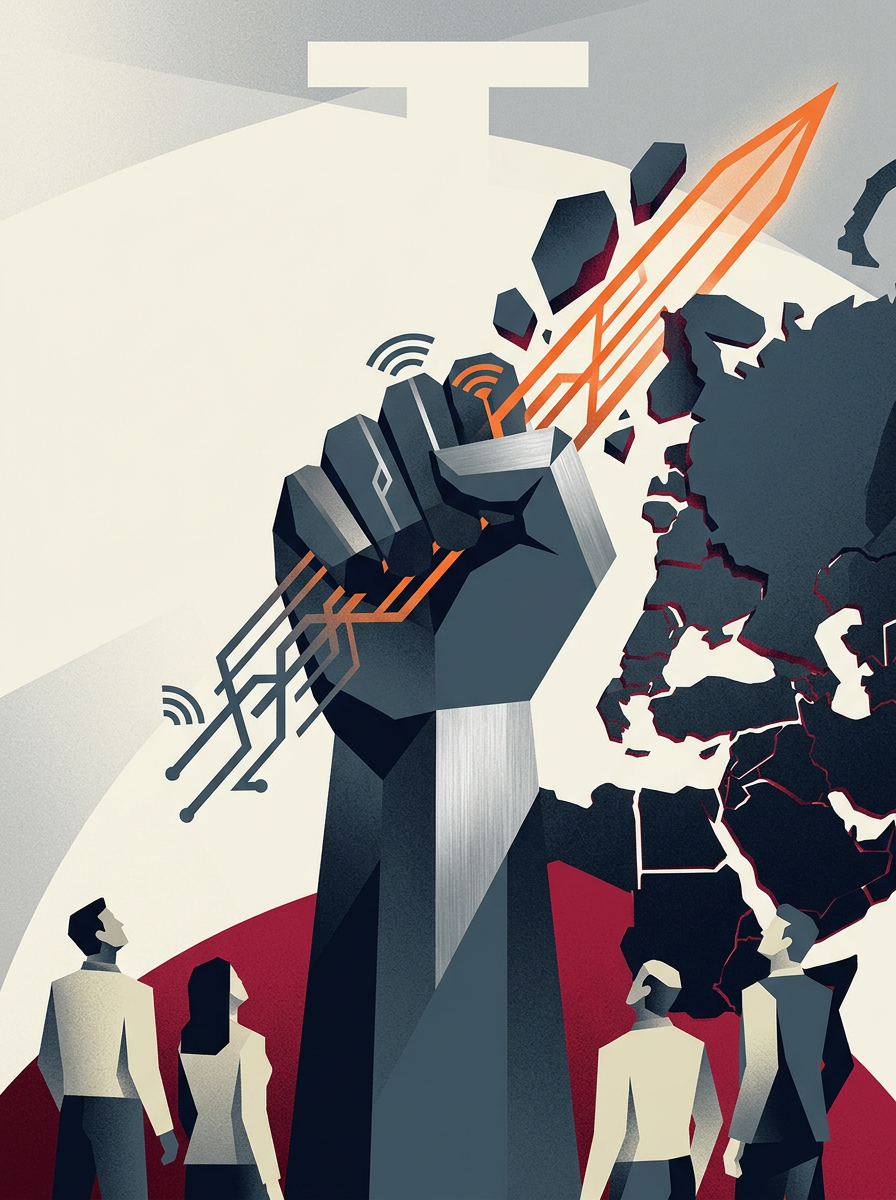
The modern workplace is currently caught in a \"throughput\" trap. As generative AI begins to handle everything from data analysis to software engineering, the metrics we have long used to measure professional success—speed, volume, and task completion—are increasingly favoring machines over people. A recent management study highlights this shift: while AI can help workers produce 25% more work in less time, it introduces a significant 19% error rate. We are, in effect, trading accuracy and direction for raw momentum.
This reliance on speed overlooks the fundamental distinction between recursive and generative intelligence. Despite the branding, current AI models are largely recursive; they identify patterns within existing data to optimize what has already been done. AI can mimic a musical style or solve a known coding problem, but it cannot imagine a future that does not yet exist. It lacks the capacity for dissent, the nuance of empathy, and the ability to recognize when a data-driven decision lacks moral integrity.
The risk is that by continuing to value motion over direction, organizations begin to treat humans as less-efficient processors rather than essential innovators. Humans do not merely process information; we resolve contradictions and navigate ambiguity. In an era of automated output, the most valuable professional trait is no longer the ability to do more, but the ability to determine what is worth doing in the first place.
With reporting from Fast Company.
Source · Fast Company