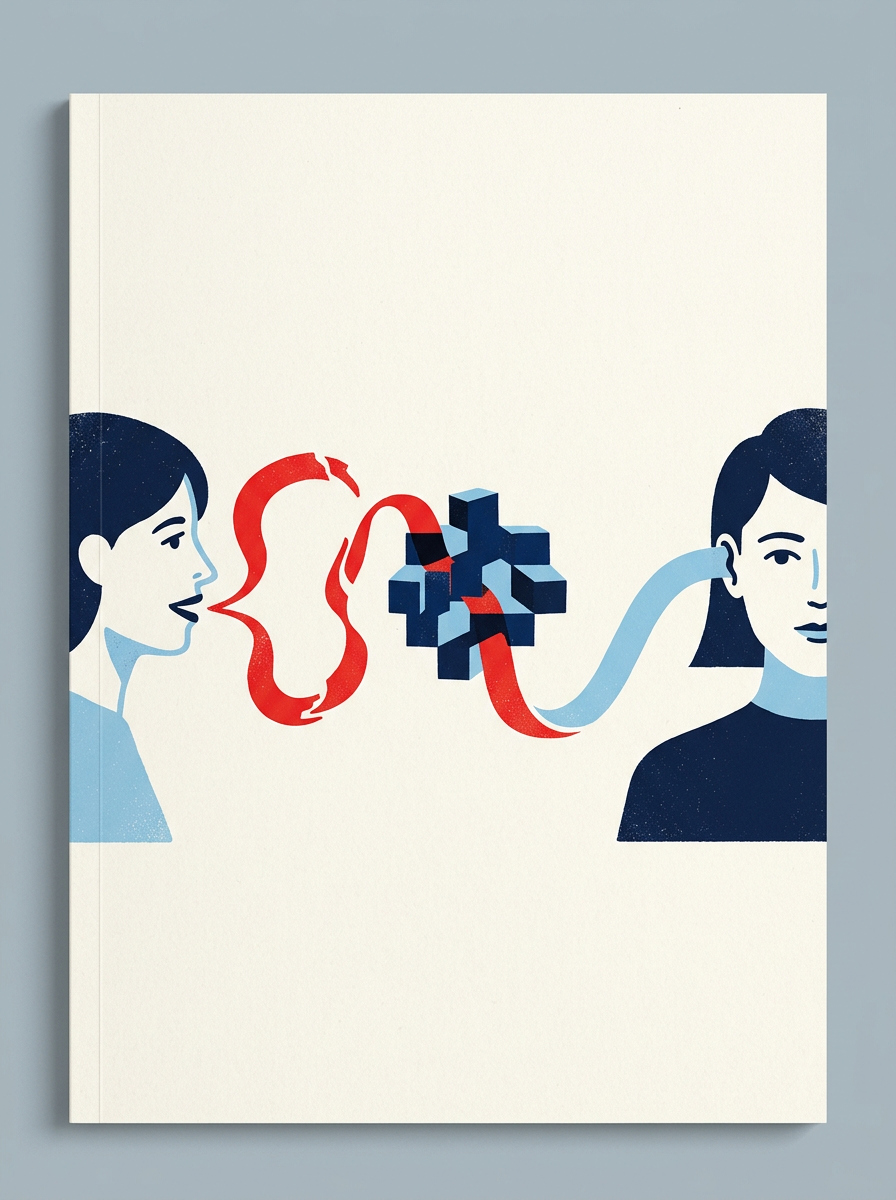
The traditional friction of foreign travel—the awkward silence of the language barrier—is rapidly dissolving into a series of seamless digital exchanges. While translation apps have existed for years, a new generation of tools powered by advanced machine learning and sophisticated voice recognition is moving beyond simple dictionary lookups. We are entering an era where the "universal translator" is no longer a trope of science fiction but a standard feature on a smartphone.
Google Translate remains the dominant player in this shift, offering a bidirectional conversation mode that supports over 100 languages. Its "Face to Face" feature is particularly illustrative of the new design philosophy: it splits the screen so that two people can see their respective transcriptions and translations simultaneously, facilitating a more natural flow of eye contact and gesture. By downloading local language packs, travelers can now maintain this level of nuance even in remote areas without reliable cellular service.
Meanwhile, Microsoft Translator and specialized tools like X-doc.AI Translive are targeting the complexities of group dynamics and professional settings. These platforms focus on multi-user synchronization, allowing several participants to join a conversation where each person receives a real-time translation in their own tongue. As these AI agents become more adept at capturing regional dialects and emotional tone, the act of translation is evolving from a clumsy utility into a transparent layer of the modern global experience.
With reporting from La Nación.
Source · La Nación — Tecnología