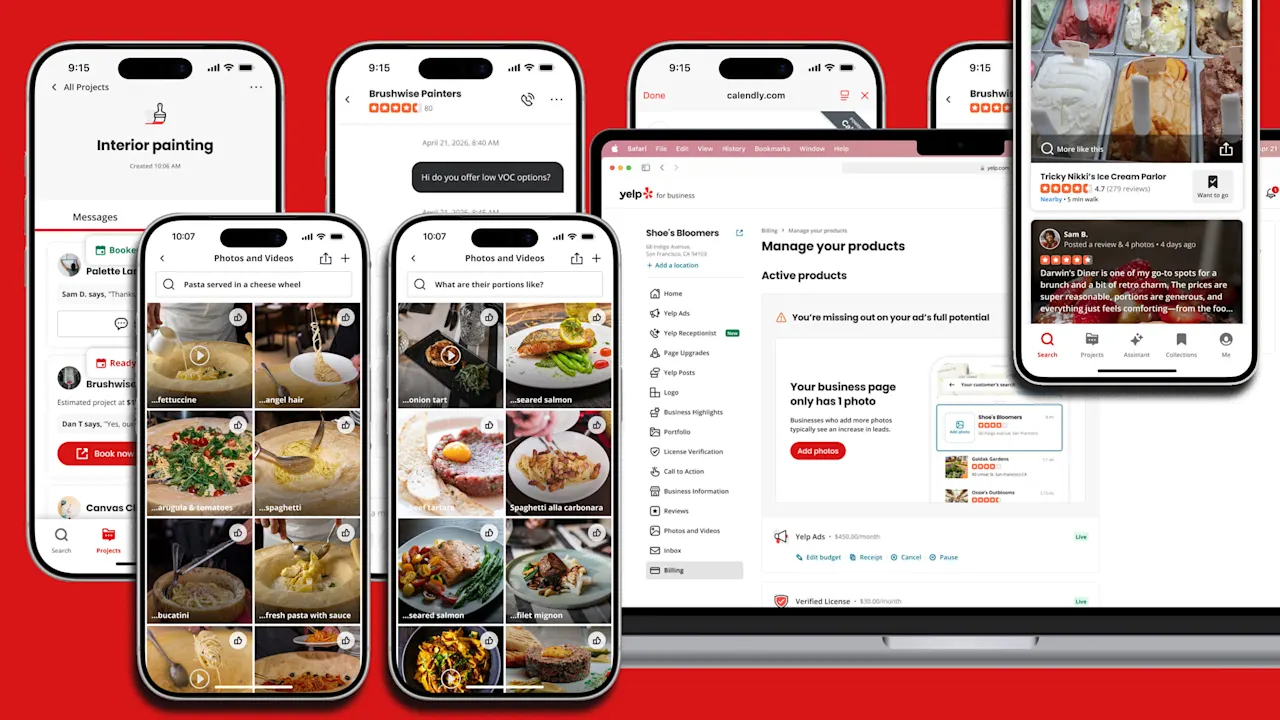
For two decades, Yelp has functioned primarily as a digital archive of public sentiment—a place where the collective wisdom of the crowd helped users decide where to eat or whom to hire. But the company is now attempting a fundamental pivot from discovery to agency. Through new integrations with platforms like DoorDash, Zocdoc, and Vagaro, Yelp is transforming its listings from passive profiles into transactional hubs where users can book medical appointments, schedule haircuts, or order dinner directly through the interface.
At the center of this shift is the \"Yelp Assistant,\" an AI-powered conversational tool now granted its own dedicated tab within the app. Rather than merely returning a list of businesses based on keywords, the assistant synthesizes data from millions of user reviews and business websites to explain *why* a specific location matches a query. It is designed to parse nuance—identifying a park suitable for off-leash dogs or a restaurant with specific dietary accommodations—while handling follow-up questions about logistics like parking or menu substitutions.
This evolution reflects a broader trend in the platform economy: the move toward \"completing the action.\" As Akhil Kuduvalli Ramesh, Yelp’s SVP of product, suggests, the goal is to shift consumer perception of the platform from a place to read reviews to a place to find definitive answers and execute tasks. By layering generative AI over its massive proprietary dataset, Yelp is betting that convenience and context will keep users within its ecosystem in an increasingly fragmented local services market.
With reporting from Fast Company.
Source · Fast Company