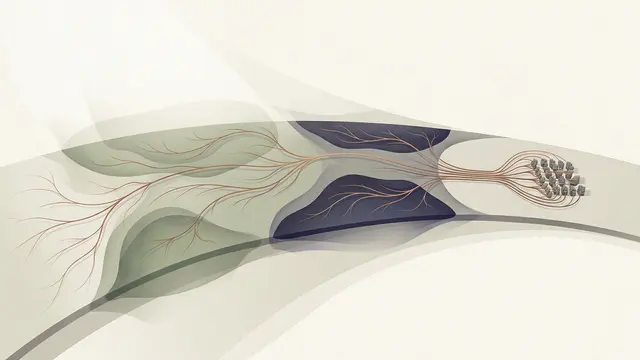
The human brain did not evolve to write poetry, solve equations, or ponder its own existence. It evolved to manage the physiological economy of the body. For centuries, Western thought has treated the mind as an ethereal software running on the hardware of the flesh, a dichotomy famously cemented by René Descartes in the 17th century. Modern neuroscience dismantles this entirely. Every heartbeat, breath, and sudden spike of anxiety is not a distraction from cognitive function, but the core of it. The brain acts as a central resource manager, continuously calculating metabolic costs and predicting physiological needs. Consciousness itself emerges from this biological ledger. When we decouple mental health from physical states, we ignore the fundamental architecture of human biology, treating symptoms of systemic dysregulation as isolated psychological events.
The Somatic Foundation of Thought
Neurologist Antonio Damasio has spent decades proving that rationality cannot exist without physical sensation. His somatic marker hypothesis fundamentally rewrites the hierarchy of cognition, demonstrating that physiological responses—a quickened pulse, a tightening of the gut—precede and guide conscious decision-making. In his seminal 1994 work, Descartes’ Error, Damasio showed that patients with damage to the ventromedial prefrontal cortex, the area that processes emotional and bodily signals, became incapable of making basic choices despite retaining their intellect. The body’s physical reactions act as a mandatory filtering mechanism for the mind.
This biological reality extends beyond abstract decision-making into the daily management of modern stress. Neuroscientist Aditi Nerurkar observes that chronic anxiety is essentially a systemic forecasting error. The brain, perceiving modern psychosocial pressures as physical threats, continuously marshals metabolic resources—flooding the bloodstream with cortisol and adrenaline. Unlike a localized physical injury, this state of hyperarousal taxes the entire bodily economy. The mind cannot simply logic its way out of this state; the physiological debt must be addressed through the body itself.
Compared to the rigid, modular view of the brain popularized in the late 20th century—which mapped specific functions to isolated anatomical regions—this integrated model is far more fluid. The brain is less a static command center and more a dynamic organ locked in constant, bidirectional dialogue with the immune, endocrine, and cardiovascular systems. Every cognitive act carries a metabolic price tag.
Movement as Cognitive Intervention
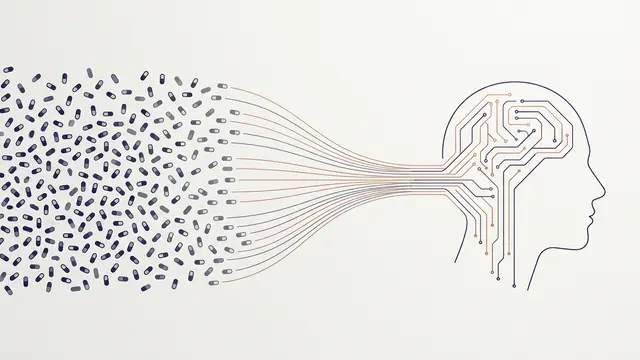
If the brain's primary function is to regulate the body, then manipulating the body is the most direct way to alter the brain. Neuroscientist Wendy Suzuki’s research into the acute effects of physical exercise provides a stark counterpoint to pharmaceutical interventions for mood and attention. A single session of cardiovascular exertion immediately alters the brain's neurochemistry, functioning like a natural neurochemical bath that increases levels of dopamine, serotonin, and noradrenaline. This is not a secondary benefit of fitness, but a primary mechanism of cognitive regulation.
The long-term implications of this bidirectional relationship are even more structural. Regular physical movement stimulates the release of brain-derived neurotrophic factor (BDNF), effectively fortifying the hippocampus against the natural atrophy associated with aging and neurodegenerative diseases like Alzheimer's. By treating the body as a lever to upgrade the brain's hardware, Suzuki’s findings shift the paradigm of cognitive longevity. The physical body is not merely a transport vehicle for the brain; it is the architect of its resilience.
This framework challenges the prevailing norms of knowledge-work culture, which largely demands physical immobility in exchange for cognitive output. By forcing an evolutionary mechanism designed for physical adaptation into a sedentary environment, modern society creates a fundamental mismatch. The resulting epidemics of burnout and cognitive fatigue are predictable outcomes of ignoring the brain's biological dependency on physical movement and somatic feedback.
Recognizing the brain as an economic engine for the body shifts the burden of mental health and cognitive performance away from sheer willpower. The mind-body connection is not a wellness trend; it is a hardwired biological imperative. As long as institutions and medical frameworks treat psychological distress and physical illness as separate domains, interventions will remain incomplete. The frontier of neuroscience is no longer just mapping the brain, but understanding how the entire organism thinks as one integrated system.
Source · The Frontier | Society