The Cross-Wired Brain
Synesthesia transforms ordinary perception into something resembling magic. Tuesday becomes brown and tilted. Music gains color. Numbers occupy specific spatial locations. For roughly 4% of the population, these cross-sensory experiences aren't metaphorical—they're automatic neural responses that blur the boundaries between sight, sound, taste, and touch.
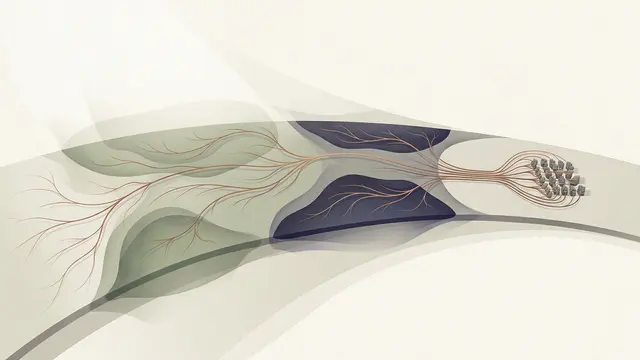
Neurologist Richard Cytowic has spent decades mapping this perceptual phenomenon, uncovering patterns that extend far beyond the synesthetic minority. His research suggests that the neural cross-wiring defining synesthesia exists in dormant form across all human brains, surfacing most clearly in moments of heightened creativity or altered consciousness.
The implications reach into artistic expression itself. Many celebrated artists, musicians, and writers report synesthetic experiences—from Kandinsky's colored sounds to Nabokov's lettered hues. This isn't coincidence but consequence. The same neural flexibility that produces synesthetic perception appears to fuel creative breakthrough, allowing artists to form unexpected connections between disparate sensory and conceptual domains.
Cytowic's work challenges the traditional view of synesthesia as neurological quirk. Instead, he positions it as a window into the brain's fundamental architecture. The cross-modal connections that create synesthetic experience mirror the associative networks underlying metaphorical thinking, pattern recognition, and creative insight. When someone describes music as "bright" or a voice as "warm," they're accessing the same neural pathways that produce full synesthetic experience.
This framework reframes artistic talent as partly neurological inheritance. The heightened connectivity between brain regions that characterizes synesthesia may predispose individuals toward creative pursuits by making novel associations more accessible. The artist's ability to see connections others miss could reflect enhanced communication between typically segregated neural networks.
Yet questions remain about causation and selection. Do synesthetic tendencies drive people toward artistic careers, or do intensive creative practices strengthen cross-modal neural connections? The relationship likely runs both directions, creating feedback loops between perception and practice.
The research also complicates assumptions about "normal" perception. If synesthetic cross-wiring exists universally but expresses variably, then standard sensory categories may be more artificial than previously assumed. The boundaries between seeing, hearing, and feeling might represent learned constraints rather than fundamental neural architecture.
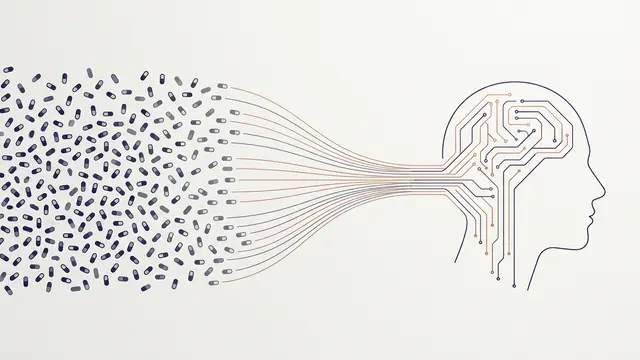
For understanding creativity itself, Cytowic's findings suggest that artistic breakthrough depends partly on accessing dormant neural pathways. The synesthete's involuntary cross-sensory experience might represent what happens when typical perceptual barriers weaken—a state that meditation, psychedelics, and intense creative focus can temporarily induce in non-synesthetic brains.
This research ultimately points toward a more fluid model of human perception, where the clean categories of sight, sound, and touch give way to a more integrated sensory experience. For artists, this represents validation of their unconventional ways of experiencing the world. For everyone else, it suggests untapped perceptual possibilities.
Source · The Frontier | Society