The city of Ann Arbor, Michigan, has initiated a significant pilot program aimed at decentralizing residential power consumption through the deployment of solar photovoltaic panels and battery storage systems across 150 local households. According to Electrek reporting, the project is being managed by the Ann Arbor Sustainable Energy Utility (A2SEU) in collaboration with energy management firm FranklinWH. This effort marks a tangible step toward testing how distributed energy resources (DERs) can function within a municipal framework to lower consumer utility bills while simultaneously addressing the growing demand for reliable, carbon-neutral energy sources.
This initiative arrives at a moment when aging electrical grids across the United States face mounting pressure from extreme weather events and the electrification of heating and transportation. By shifting the paradigm from purely centralized utility management to a hybrid model that empowers individual residences to act as localized power nodes, Ann Arbor is positioning itself as a laboratory for urban energy policy. The central thesis of this pilot is that localized storage can mitigate the intermittency of renewable energy, transforming individual homes into active participants in grid stability rather than passive consumers of centralized power.
The Structural Shift Toward Distributed Energy
The traditional utility model, which has dominated the North American landscape for over a century, relies on large-scale generation facilities transmitting power over long distances to passive end-users. This architecture is increasingly fragile in the face of climate change, as illustrated by the frequent grid failures following extreme storms or heatwaves. Ann Arbor’s decision to leverage the A2SEU to facilitate the installation of solar and battery kits represents a strategic departure from this legacy infrastructure. By embedding intelligence and storage directly at the point of consumption, the city is effectively hedging against the inherent vulnerabilities of centralized distribution.
Historical precedents for this shift can be found in the growth of microgrids in disaster-prone regions, yet Ann Arbor’s approach is distinct due to its municipal institutional backing. Rather than leaving the adoption of solar and storage solely to the whims of the private market or high-net-worth homeowners, the city is treating energy resilience as a public utility service. This democratization of infrastructure is essential for scaling renewable adoption across diverse socio-economic demographics. When energy management is handled at the municipal level, it allows for the aggregation of capacity, potentially enabling the city to participate in broader wholesale electricity markets that were previously inaccessible to individual residential units.
Furthermore, the integration of battery storage addresses the most significant hurdle for residential solar: the mismatch between peak production and peak demand. In most residential settings, solar generation peaks during the mid-afternoon, while consumption peaks in the evening. Without storage, excess energy is often pushed back onto the grid, sometimes causing localized voltage issues or providing minimal financial return to the homeowner. By keeping that energy local, the A2SEU pilot creates a closed-loop system that optimizes efficiency and reduces the load on the wider utility network during peak hours, effectively flattening the demand curve for the entire municipality.
Mechanisms of Resilience and Economic Viability
The core mechanism driving this pilot is the intelligent orchestration of energy flows. FranklinWH’s hardware provides the necessary interface for managing charge and discharge cycles, ensuring that batteries are prioritized for self-consumption or grid support depending on real-time price signals and grid conditions. This level of automation is critical; it removes the cognitive burden from the homeowner while maximizing the economic benefits of the system. If successful, this model demonstrates how software-defined energy management can turn a collection of individual batteries into a virtual power plant (VPP).
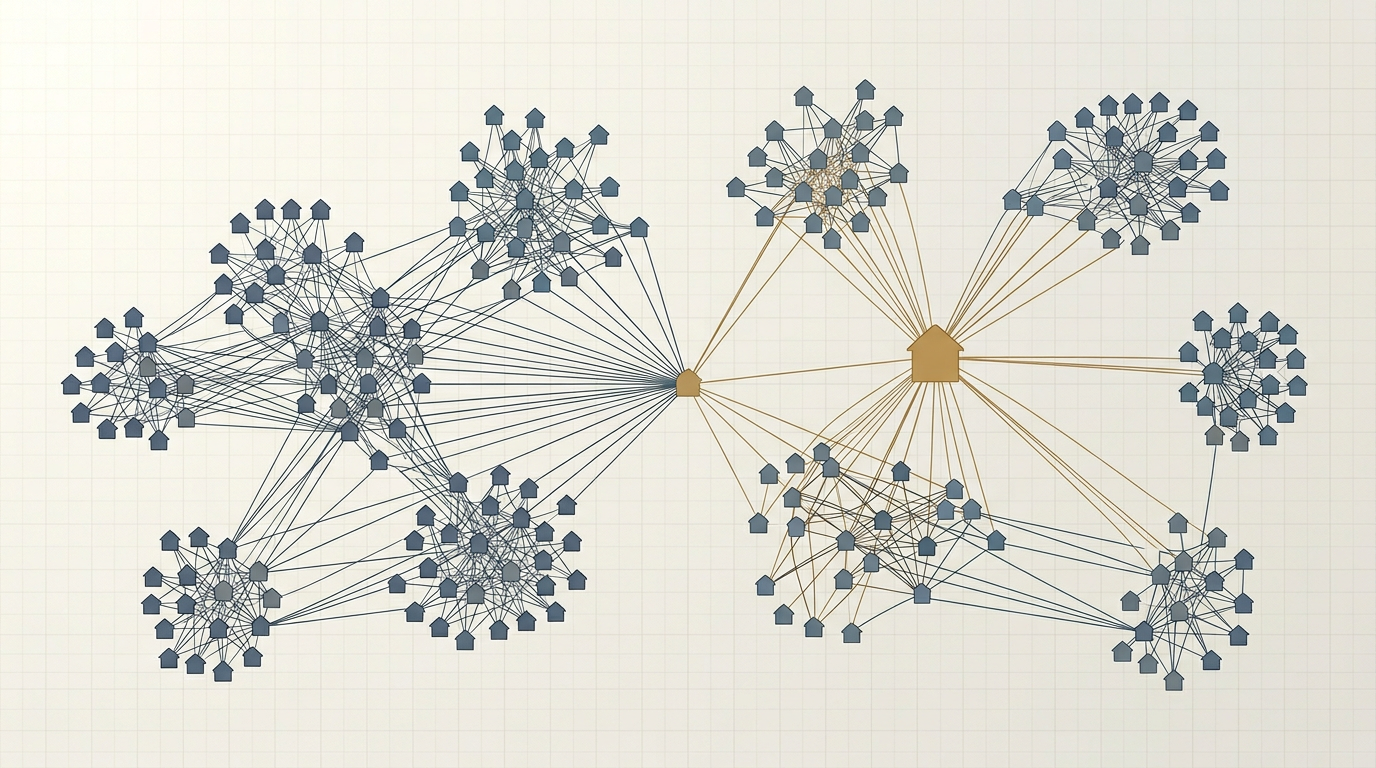
A virtual power plant functions by aggregating the capacity of hundreds of small, distributed batteries to provide services to the grid, such as frequency regulation or peak shaving. In a VPP, the utility or an independent operator can remotely dispatch energy from these batteries during times of high stress on the grid, preventing blackouts and reducing the need to fire up expensive, polluting peaking plants. For the city of Ann Arbor, this means that the 150 homes in the pilot are not just saving money on their monthly bills; they are contributing to the overall integrity of the local grid. This mechanism aligns the financial incentives of the individual with the systemic needs of the municipality, creating a mutually beneficial feedback loop that is rarely found in traditional utility structures.
Stakeholder Implications and Regulatory Tensions
The implications of this pilot extend far beyond the 150 households involved. For municipal regulators, the success of the A2SEU model could provide a blueprint for other cities looking to bypass the slow pace of utility-scale energy projects. However, this transition is not without friction. Traditional utility companies often view distributed generation as a threat to their business model, as it reduces the volume of electricity sold through their transmission lines. This creates a tension between municipal energy autonomy and the revenue requirements of state-regulated utility providers, a dynamic that will likely play out in courtrooms and legislative chambers as more cities explore similar models.
For the consumers, the value proposition is clear: protection against rising utility rates and increased reliability during outages. Yet, the long-term maintenance of these systems remains an open question. Who is responsible for replacing the batteries in ten years? How will the city ensure equitable access if the pilot transitions into a wider program? These questions highlight the need for robust governance frameworks that can handle the complexities of distributed ownership. As regulators watch the Ann Arbor case, they will likely focus on whether this model can be scaled without creating a "digital divide" in energy access, where only those in subsidized programs enjoy the benefits of resilient power.
Outlook for Municipal Energy Autonomy
What remains uncertain is the degree to which this model can be replicated in cities with different regulatory environments or less favorable solar resources. Ann Arbor’s pilot is a controlled environment, and scaling it to thousands of homes will require significant capital investment and political will. The ability of the A2SEU to maintain operational efficiency as the complexity of the network increases will be the true test of the model’s viability. Furthermore, the interplay between local municipal policy and state-level energy regulations will continue to be a primary bottleneck for widespread adoption.
Looking ahead, observers should monitor how the city manages the data collected from these 150 homes. The insights gained regarding consumption patterns, battery discharge efficiency, and consumer behavior will be as valuable as the hardware itself. If the pilot proves that distributed energy can reliably provide grid services, it may force a reassessment of how cities approach infrastructure investment, shifting funds away from massive, centralized projects toward more agile, localized solutions. The transition to a decentralized grid is clearly underway, but the speed and equity of that transition remain the defining questions for urban planners and energy policymakers alike.
As the Ann Arbor pilot progresses and the data begins to inform subsequent iterations of the city’s energy strategy, the broader implications for urban resilience remain an area of intense interest. Whether this experiment serves as a localized success story or a foundational shift in how municipalities view their role in the energy transition is a question that will be answered in the coming years. With reporting from Electrek
Source · Electrek