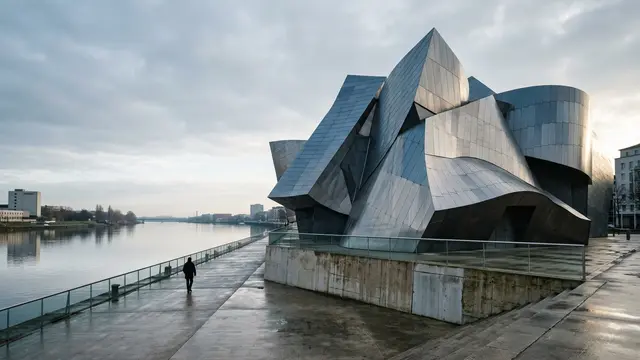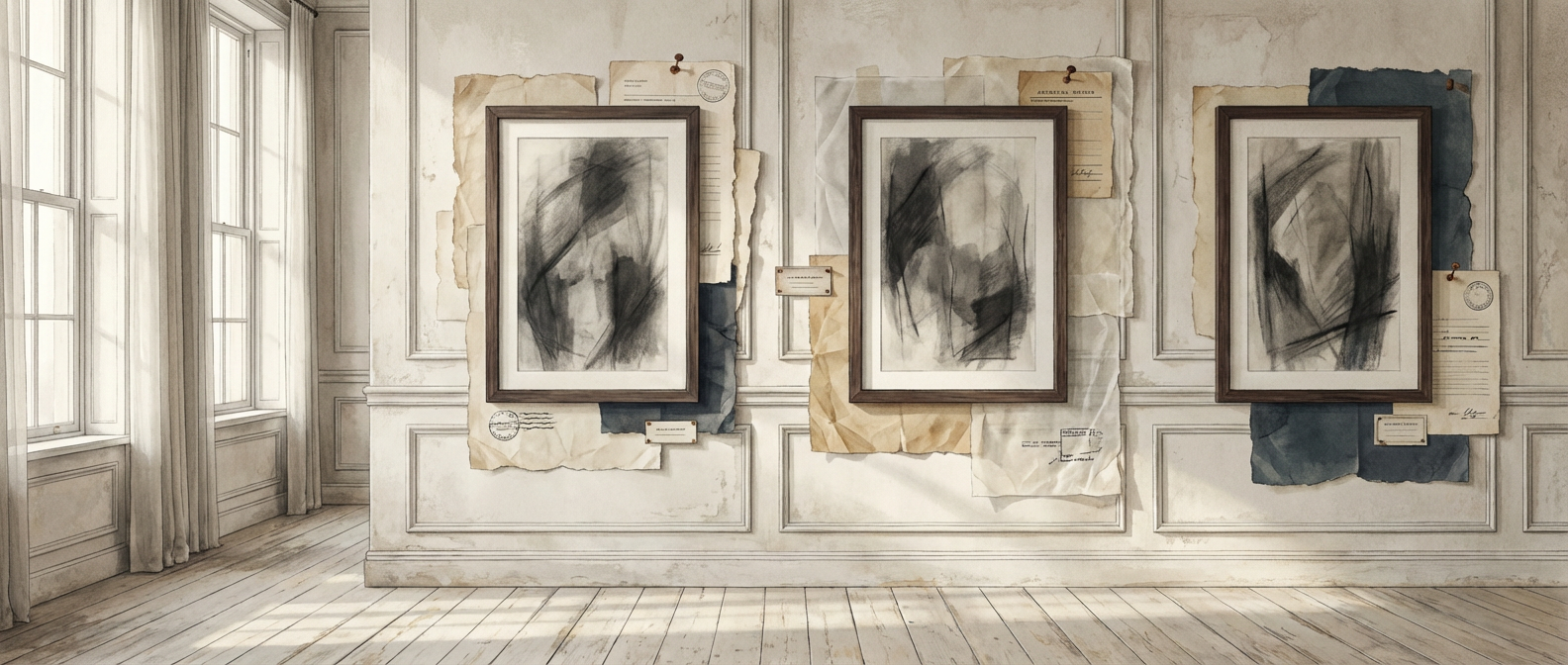
An exhibition of works by artist Matthew Collings, titled “Drawings Against Genocide,” was recently cancelled by the Delta House Gallery in London following intense scrutiny from advocacy groups. The exhibition, which had been scheduled to run from May 16 to May 24, became the subject of a campaign by UK Lawyers for Israel after reports emerged describing the collection’s content. According to reporting from ARTnews, the controversy stems from the imagery employed in the artist's work, which critics argue utilizes antisemitic tropes, including depictions of Jewish figures as demonic entities or perpetrators of violence against children.
The cancellation serves as a case study in the modern challenges faced by private cultural institutions when political discourse reaches a fever pitch. As galleries and studio spaces navigate the increasingly polarized landscape of the Middle East conflict, the decision by Delta House Studios to terminate the engagement highlights a shift toward risk mitigation. This development forces a broader examination of where private property rights, the responsibilities of cultural stewards, and the protections afforded to artistic expression intersect in an era of heightened sensitivity to hate speech and political symbolism.
The Anatomy of Institutional Risk
The decision to cancel the exhibition was framed by the property owner, Pineapple Corporation, as a matter of administrative oversight rather than purely ideological censorship. Chairman Tom Berglund noted that the exhibition was arranged without consultation with the owners of the studio space, creating a disconnect between the artist’s intent and the venue’s operational governance. However, the external pressure applied by advocacy groups like UK Lawyers for Israel suggests that even in decentralized art spaces, the reputational cost of hosting controversial political content is becoming prohibitive. In the contemporary art world, the distinction between a private gallery and a public forum is increasingly blurred, as social media amplifies local controversies into national debates.
Historically, the art world has often positioned itself as a sanctuary for provocative, dissenting, and even transgressive speech. From the political cartoons of the 19th century to the performance art of the late 20th, the visual arts have served as a primary vehicle for challenging established power structures. Yet, the current climate introduces a new variable: the rapid mobilization of advocacy groups capable of exerting pressure on landlords, insurers, and institutional boards. When an exhibition is characterized by external critics as inciting hatred rather than engaging in critique, the institution is forced to weigh the philosophical value of artistic freedom against the practical reality of public relations and legal liability. This structural shift effectively redefines the role of the gallery owner from an aesthetic curator to a risk manager.
Satire and the Burden of Interpretation
At the heart of the dispute lies the fundamental tension between artistic intent and audience reception. Matthew Collings, in his defense, has characterized his work as satire, arguing that the imagery serves to critique Zionism rather than target Jewish identity. He asserts that the aesthetic value of art is being weaponized to obscure political atrocities, framing his work as a necessary, if uncomfortable, intervention. However, the reception of such work is rarely neutral; symbols that an artist may view as political allegory are frequently interpreted by viewers as reinforcing historical tropes that have historically preceded violence. The difficulty lies in the fact that satire, by its nature, relies on the assumption of a shared cultural context between the artist and the viewer—a context that is increasingly fractured.
When imagery relies on archetypes that have been used for centuries to dehumanize specific groups, the artist’s stated intent often fails to override the visceral impact of the symbols themselves. The challenge for the art community is to determine whether the use of such imagery can ever be decoupled from the historical trauma it evokes. If the art world insists on the absolute autonomy of the creator, it risks alienating the public and losing the social license to operate in community-based spaces. Conversely, if institutions demand sanitization of political content, they risk stifling the very dissent that art is meant to foster. This mechanism of self-censorship, driven by the fear of public backlash, creates a chilling effect that may lead to the homogenization of exhibition programs.
Stakeholders and the Erosion of Neutrality
The implications of this incident extend beyond a single gallery in London, affecting a diverse ecosystem of stakeholders. For regulators and local councils, the case raises questions about the extent to which private institutions must be held accountable for the content displayed within their walls. For artists, the incident underscores the precarious nature of independence in an era where the digital footprint of a work can lead to immediate real-world consequences. Competitors and peer institutions are likely to observe this outcome with caution, potentially adopting more stringent vetting processes for political exhibitions to avoid similar disruptions.
Furthermore, the audience is increasingly fragmented, with different segments demanding either total freedom of expression or strict protection from potentially harmful content. This divide creates a difficult environment for galleries that rely on community support and public goodwill. The tension here is not merely between the artist and a specific advocacy group; it is a broader conflict over the role of the public sphere in a polarized society. As these institutions navigate these pressures, the traditional boundaries of what is considered acceptable discourse in the arts are being redrawn in real-time, often without the benefit of clear legal or ethical guidelines.
The Outlook for Cultural Institutions
The uncertainty surrounding such cases suggests that we are entering a period of prolonged friction between artistic freedom and the enforcement of social norms. As the lines between legitimate critique and inflammatory rhetoric continue to blur, institutions will likely face mounting pressure to provide more context for controversial works, or to distance themselves from them entirely. The question remains whether the art world can develop a more robust framework for navigating these disputes without resorting to outright cancellation as a default response to public outcry.
Moving forward, the industry may see an increase in pre-emptive vetting and a greater emphasis on the educational role of the gallery. Whether this will lead to a more nuanced engagement with political art or a further retreat into safer, less provocative programming remains an open question. As the discourse surrounding the Middle East continues to evolve, the capacity for art spaces to host difficult conversations will be tested repeatedly, demanding a level of institutional courage and transparency that has yet to be fully realized.
The path forward for galleries navigating these complex political waters is far from clear. As the debate over the limits of artistic expression and the impact of political imagery continues to intensify, the responsibility of institutions to balance their commitment to free speech with their role as community stakeholders will remain a defining tension in the cultural sector. The resolution of these conflicts will likely depend on the willingness of all parties to engage in a more transparent and sustained dialogue. With reporting from ARTnews
Source · ARTnews