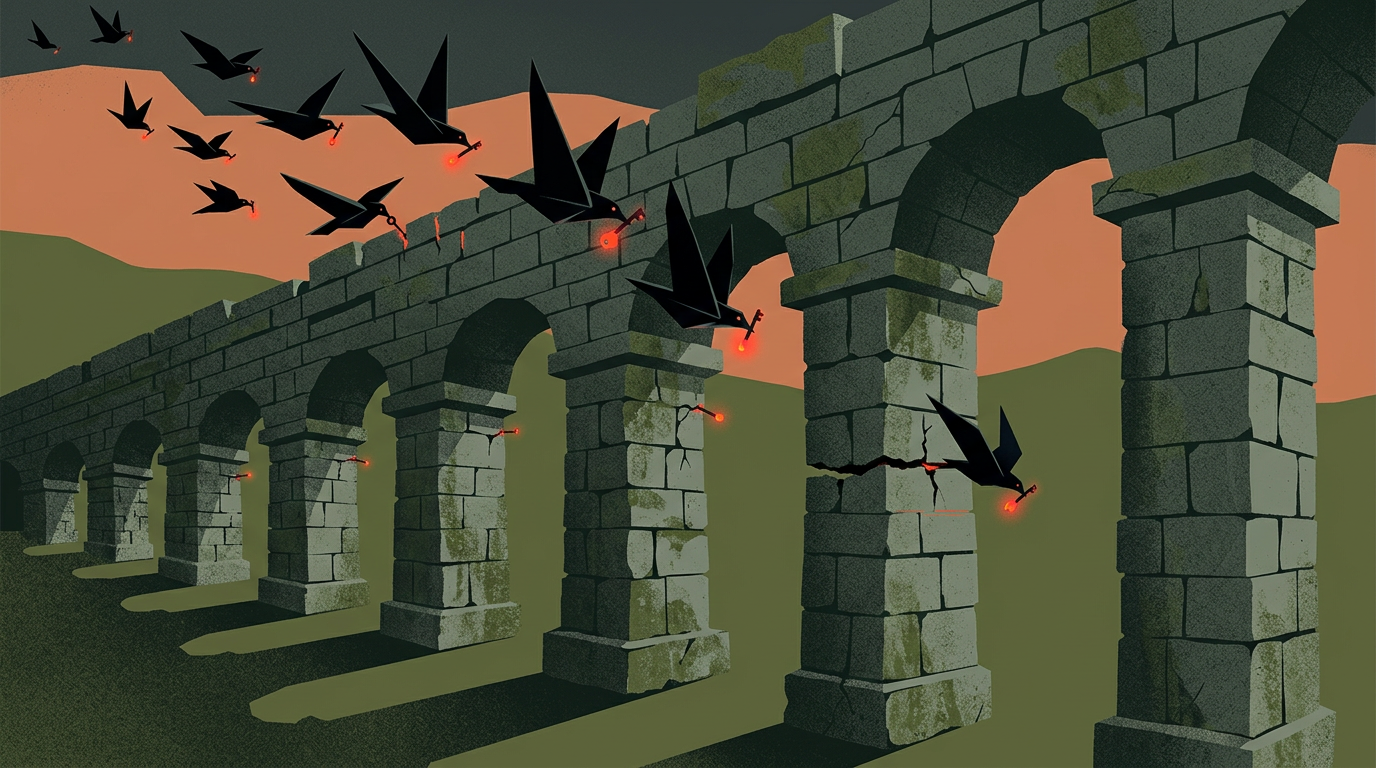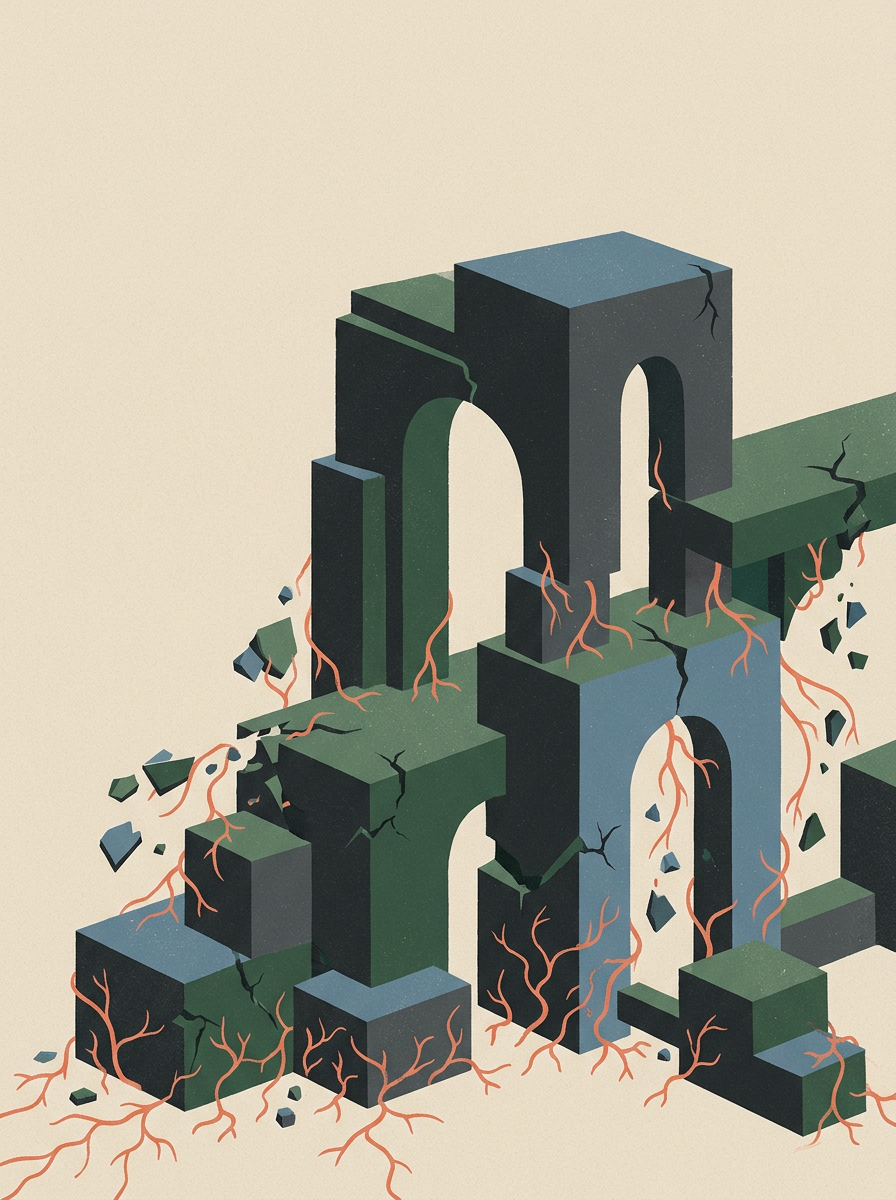
Crypto-mining operations are increasingly infiltrating computers without their owners' knowledge or consent, exploiting processing power to generate digital currency at minimal cost to the attackers. According to The Economist reporting, this form of computational parasitism — commonly known as cryptojacking — is expanding in scope and sophistication, quietly colonizing devices ranging from personal laptops to enterprise servers.
The trend sits at the intersection of cybersecurity, energy economics, and the broader debate over who bears the hidden costs of decentralized finance. As mining legitimate cryptocurrency becomes more energy-intensive and capital-heavy, the incentive to offload those costs onto unwitting third parties grows proportionally. What emerges is not merely a nuisance but a structural challenge for the computing ecosystem.
The economics of stolen cycles
Cryptojacking's appeal is straightforward: mining cryptocurrency requires substantial computational resources and electricity, both of which cost money. By hijacking other people's hardware, miners effectively externalize their largest expenses. The victim absorbs higher electricity bills, accelerated hardware degradation, and diminished device performance — often without realizing the cause. For the attacker, the marginal cost of each additional compromised machine approaches zero.
This dynamic has made cryptojacking attractive not only to small-time operators but potentially to more organized actors as well. Unlike ransomware, which demands interaction with the victim and carries significant legal risk at the point of payment, cryptojacking can operate indefinitely in the background. Its stealth is its competitive advantage. Detection requires monitoring for anomalous CPU or GPU usage patterns — something most individual users and even many organizations are not equipped to do systematically. The result is a parasitic layer of computation running beneath the surface of ordinary digital life, siphoning value in increments too small to trigger alarms individually but substantial in aggregate.
Infrastructure trust as the deeper casualty
The proliferation of cryptojacking raises questions that extend beyond individual device security. Cloud computing platforms, shared hosting environments, and even IoT networks represent vast pools of underutilized processing capacity — precisely the kind of resource that illicit miners seek to exploit. When these environments are compromised, the costs ripple outward: cloud customers may face unexpected charges, shared infrastructure degrades for all users, and the energy footprint of data centers grows without corresponding productive output.
For developers and platform operators, the challenge is both technical and philosophical. Hardening systems against cryptojacking requires investment in monitoring, anomaly detection, and rapid response — costs that compete with other security priorities. Meanwhile, the boundary between legitimate and illegitimate use of distributed computing is not always crisp. Some browser-based mining schemes have operated in gray zones, offering users a trade-off between viewing ads and donating processing power. The question of consent — explicit, informed, and revocable — becomes central. As computing resources become more distributed and more abstracted through cloud and edge architectures, the attack surface for this kind of exploitation only widens.
The quiet spread of cryptojacking is unlikely to provoke the same public alarm as ransomware attacks or major data breaches. Its damage is diffuse, its victims often unaware. Yet the phenomenon points to a persistent tension in digital infrastructure: the gap between the value that computing resources represent and the mechanisms available to protect them. As cryptocurrency economics continue to evolve and computing environments grow more complex, the incentives driving computational parasitism show no sign of diminishing. How the security community, platform providers, and regulators respond — or fail to — will shape the integrity of shared computing infrastructure for years to come.
With reporting from The Economist
Source · The Economist — Science & Technology