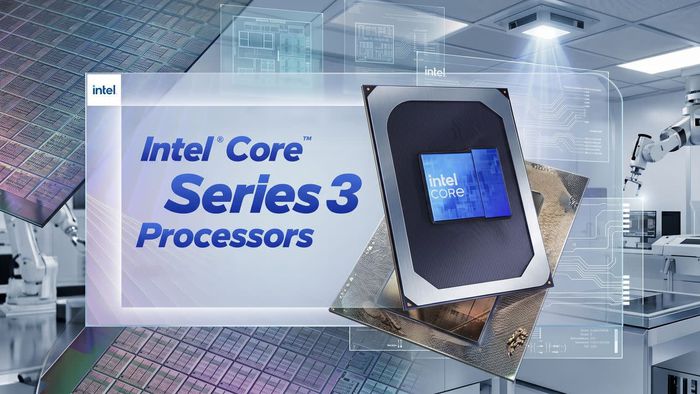
Intel has officially launched the Wildcat Lake family in the Brazilian market, now under the **Intel Core Series 3** nomenclature. This move solidifies a profound shift in the company's brand architecture: the definitive retirement of the iconic "i" prefix and the repositioning of the Core line as an option aimed at the *mainstream* market. While these chips previously contended for the apex of the performance pyramid, they now assume the role of efficiency engines for accessible notebooks and entry-level corporate systems.
This strategy reflects a pragmatic assessment of the technological landscape in 2026. Faced with longer hardware refresh cycles and inflationary pressure on electronics, Intel has opted to prioritize balance. Rather than solely focusing on raw power, the new processors deliver modern connectivity features and native support for artificial intelligence, addressing a growing demand for devices that capably handle everyday tasks and digital assistants without necessitating the investment in a premium machine.
Within the competitive landscape, the launch is perceived as a direct response to Apple's inroads into the entry-level segment with the MacBook Neo. By strengthening its offering at the base of the pyramid, Intel endeavors to safeguard its market share in critical sectors, such as *edge computing* and the educational sector. Wildcat Lake is, therefore, not merely a technical update, but a strategic recalibration to maintain the PC's relevance in an increasingly fragmented ecosystem.
With information from Canaltech.
Source · Canaltech