The contemporary architectural landscape is undergoing a profound reassessment of the values that defined the 20th century. For decades, the industry prioritized scale, speed, and the universal application of concrete and steel, often at the expense of regional identity and environmental harmony. According to reporting from Dezeen, Japanese architect Kengo Kuma is challenging this legacy through his latest book, Substance, which documents his studio’s transition toward a more nuanced, material-first approach. By emphasizing the intrinsic properties of local resources—ranging from bamboo and paper to stone and textile—Kuma’s work serves as a critique of the standardized, high-rise urbanism that has dominated the global skyline.
This shift is not merely a stylistic preference but a fundamental reorientation of the architect’s role in the built environment. Kuma posits that the era of massive, resource-intensive projects is reaching a necessary turning point. By advocating for "small architecture" that prioritizes regional context, he suggests that sustainability is not just about energy efficiency metrics, but about the ethical and aesthetic relationship between a structure, its site, and the people who inhabit it. This editorial analysis examines the structural implications of this philosophy and what it signals for the future of urban design as global stakeholders increasingly grapple with the environmental costs of traditional construction methods.
The Philosophy of Material Specificity
At the core of Kuma’s methodology is a departure from the "signature style" that has defined the careers of many starchitects. In the traditional model, a firm’s brand is often linked to a specific aesthetic or material preference, which is then transposed onto different sites regardless of local conditions. Kuma argues that this approach centers the architect as the protagonist, rather than the site itself. By contrast, his studio’s practice treats architecture as a form of agriculture—a process of identifying and cultivating materials that are native to a specific region. This is a radical departure from the globalized supply chains that currently dictate construction costs and carbon footprints.
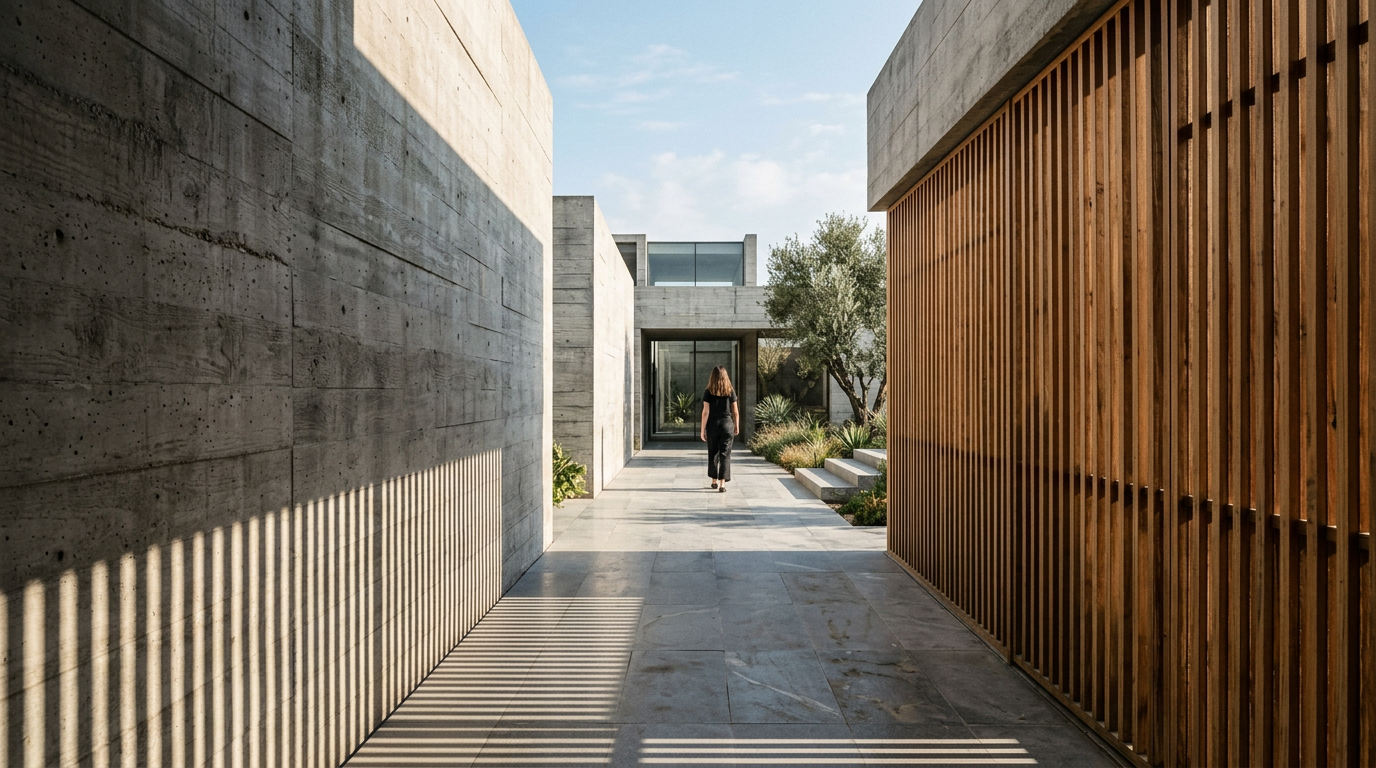
Historically, the adoption of concrete and steel was driven by the necessity of rapid industrialization and the need for standardized building codes that could be replicated globally. While this enabled unprecedented urban density, it also led to a homogenization of the built environment. Kuma’s focus on materials like bamboo or paper is an attempt to recover a sense of place that has been eroded by these industrial imperatives. By leveraging the unique physical properties of these materials—such as the inherent flexibility of bamboo or the lightness of paper—his projects demonstrate that structural integrity does not always require the heavy, rigid materials that have defined modern urbanism. This is not a rejection of technology, but a refinement of it, using modern engineering to unlock the potential of natural resources.
Mechanisms of Sustainable Adaptation
The mechanism behind Kuma’s approach lies in the translation of material properties into structural forms. For example, his work with aluminium ball chains at Casa Batlló or the use of paper in his Irori project illustrates a willingness to push materials beyond their conventional applications. By breaking down heavy materials into smaller particles or utilizing thin, lightweight mediums, he achieves an organic softness that mirrors traditional craftsmanship while meeting contemporary performance standards. This process requires a deep understanding of material science, where the design is dictated by the limitations and possibilities of the substance itself rather than an imposed geometric form.
This approach also challenges the economic incentives of the construction industry, which currently favors large-scale, repeatable components. When an architect insists on using regional materials, they are effectively pushing against the economies of scale that make concrete and steel so financially attractive to developers. The incentive structure must therefore shift toward valuing the longevity, cultural resonance, and environmental footprint of a building over the short-term cost savings of mass-produced materials. This creates a tension between the immediate financial goals of real estate developers and the long-term societal benefits of sustainable, context-aware design. Kuma’s work suggests that the path forward involves a more collaborative, site-specific development process that accounts for the "richness of resources" unique to each location.
Implications for Regulators and Industry Stakeholders
For regulators and urban planners, the implications of this shift are significant. Current building codes are heavily biased toward conventional materials, often making it difficult to innovate with natural or reclaimed substances. If the industry is to move toward the "small architecture" model that Kuma advocates, regulatory frameworks must evolve to accommodate unconventional structural solutions without compromising safety. This requires a move toward performance-based codes that focus on the outcome of the structure rather than the specific materials used. For competitors and developers, this means the potential for a new competitive advantage: buildings that are not only sustainable but also distinct, culturally resonant, and highly valued by the communities they serve.
Furthermore, the shift toward regional materials could have profound effects on local economies. By prioritizing materials that are "cultivated in each specific region," architects can foster the development of local supply chains, reducing the carbon costs associated with global logistics. This creates a multi-stakeholder ecosystem where local craftsmen, suppliers, and engineers are integrated into the design process from the outset. While this may increase complexity in the short term, it builds a more resilient urban fabric that is better adapted to its environment. The challenge for the industry will be scaling these practices without losing the very specificity that makes them effective, avoiding the trap of "greenwashing" where natural materials are used for their aesthetic appeal rather than their structural or environmental logic.
The Outlook for Material-Centric Design
What remains uncertain is the extent to which this philosophy can be applied to high-density urban environments. While Kuma’s projects demonstrate the viability of his approach in smaller, specialized contexts, the global demand for housing and infrastructure remains massive. The question is whether these principles of material sensitivity can be successfully scaled to address the needs of rapidly growing megacities, or if they will remain a luxury reserved for boutique projects. As the industry continues to grapple with the environmental impact of the built environment, the tension between the necessity for scale and the desire for context-sensitive, humane design will likely intensify.
Watching the evolution of these practices will be critical for understanding the future of architecture. As climate change forces a re-evaluation of resource consumption, the ability to design with what is available locally may become a necessity rather than a design choice. The integration of traditional material knowledge with modern engineering represents a significant frontier in the search for a more sustainable urban future. Whether this will lead to a broader paradigm shift or remain a niche approach depends on the willingness of developers, regulators, and architects to rethink the fundamental assumptions of modern construction.
As the architectural community continues to navigate the transition from the heavy, resource-intensive models of the 20th century toward more nuanced and localized strategies, the question of scalability remains the central challenge. Whether these material-first principles can become the standard for urban development or if they will continue to serve as a high-level critique of current practices remains to be seen in the coming decades.
With reporting from Dezeen
Source · Dezeen