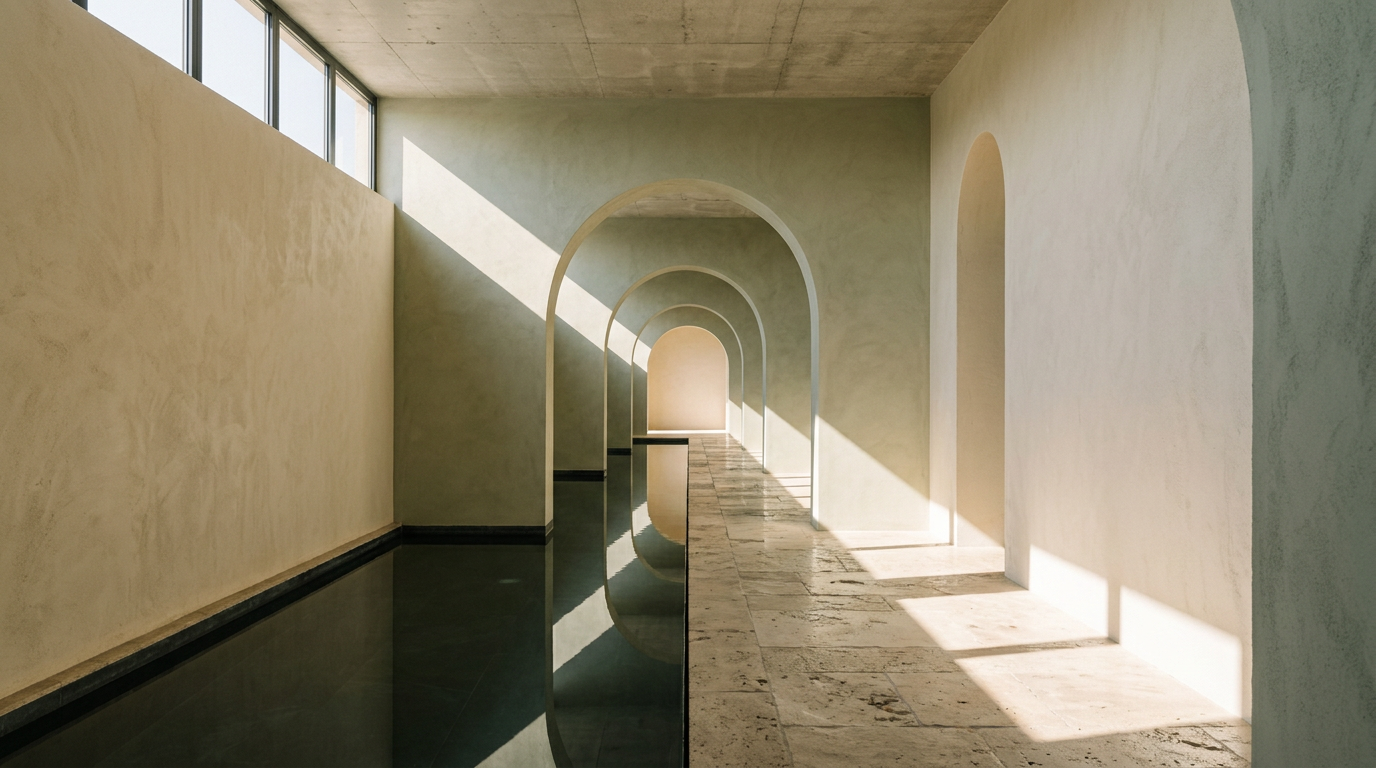
In the dense urban fabric of Manhattan’s Upper East Side, the emergence of Alchemy 38 serves as a case study for the evolving relationship between interior architecture and the wellness industry. Designed by Yasmine Ammar, the 20,000-square-foot retreat is structured not merely as a collection of rooms, but as a sequence of spatial thresholds intended to facilitate therapeutic and ritualistic functions. According to reporting from Designboom, the project draws inspiration from the concept of neurogenesis, aiming to translate the biological process of forming neural connections into a physical environment that links mind, body, and spirit.
This project reflects a broader trend in high-end design where architecture is no longer a passive container for services but an active component of the therapeutic experience. By organizing the facility into a continuous flow of transition—moving from release to restoration and finally to re-engagement—Ammar utilizes spatial design to guide the user’s psychological state. This approach moves beyond traditional spa aesthetics, positioning the built environment as a foundational element of the wellness journey, where the interplay of light, material, and sequence becomes as critical as the services offered within.
The Spatial Logic of Ritual and Renewal
The conceptual framework of Alchemy 38 is rooted in a deliberate synthesis of numerology and biological metaphor. The name itself, referencing the triad of mind, body, and spirit alongside the cyclical nature of renewal, dictates the programmatic organization of the retreat. By embedding these philosophical underpinnings into the floor plan, the design forces a structured movement through the space. This is a departure from conventional wellness centers that often rely on isolated treatment rooms; instead, the design emphasizes the transition between spaces as a ritual in itself.
This structural logic is further informed by a dialogue between Manhattan’s rigid urban grid and the softer, more intentional aesthetics of Japanese and Scandinavian design. The result is a restrained material palette that prioritizes clarity and proportion. By stripping away visual noise, the design allows the sensory qualities of the space—the tactile nature of lime plaster, the weight of stone, and the warmth of wood—to take center stage. This reductionist approach is not merely stylistic; it is a functional choice designed to lower the cognitive load on visitors, thereby facilitating a deeper state of restoration.
Materiality as a Therapeutic Instrument
Beyond its spatial organization, the efficacy of Alchemy 38 as a wellness environment relies heavily on the deliberate selection and integration of materials. The use of wood, stone, and concrete is not simply an aesthetic preference but a calculated effort to create an environment that feels grounded and durable. These natural materials are complemented by sophisticated, discreet technology that regulates circadian rhythms and thermal conditions, ensuring that the atmosphere remains responsive to the biological needs of the user. The synthesis of handcrafted elements with digital fabrication techniques allows for a level of precision that is essential for maintaining the serenity of the environment.
This mechanism of "layered space" operates on the principle that the human nervous system reacts to the quality of its surroundings. By controlling the light levels, acoustic dampening, and surface textures, the retreat acts as a sensory regulator. The integration of smart systems that operate beneath the surface of the design ensures that the technological support for wellness does not interfere with the organic feel of the retreat. It represents a sophisticated understanding of how environmental factors influence human physiology, creating a high-performance space that feels entirely devoid of mechanical artifice.
The Commercial and Regulatory Implications
For stakeholders in the luxury wellness and real estate sectors, the Alchemy 38 project underscores a shift in how value is derived from physical space. As urban environments become increasingly saturated with sensory stimuli, the demand for "sanctuary architecture" is likely to grow. This places a premium on designers who can successfully merge the technical requirements of high-end wellness services with the intangible qualities of atmosphere and ritual. For competitors, the challenge lies in replicating this level of integration without sacrificing the authenticity that defines such spaces.
Regulators and urban planners may also find interest in how such projects repurpose large-scale urban footprints for wellness-oriented uses. As the boundaries between commercial real estate, health services, and hospitality continue to blur, the challenge for developers will be to balance the private nature of these retreats with the broader urban context. The success of a project like Alchemy 38 suggests that the future of urban wellness lies in the ability to create highly specific, ritual-driven environments that offer a distinct counterpoint to the city’s inherent chaos, potentially setting a new benchmark for boutique hospitality and health-focused real estate.
Uncertainties in the Wellness-Architecture Nexus
While the design of Alchemy 38 offers a compelling vision for the future of wellness, several questions remain regarding the scalability of such intensive, ritual-based architectural models. Can the principles of spatial sequencing and material-driven therapy be effectively adapted to larger, more public-facing projects without losing the intimacy that makes them effective? Furthermore, as the reliance on smart technology and circadian lighting grows, the long-term maintenance of these systems in high-traffic environments remains a technical hurdle that designers and operators must navigate with care.
Additionally, the broader impact of these environments on long-term wellness outcomes is a subject that warrants further observation. While the immediate experiential benefits are clear, the industry continues to grapple with how to quantify the success of "wellness architecture" beyond subjective user reports. As the field matures, the tension between the high costs of such bespoke design and the market demand for accessible wellness will likely define the next phase of development in this sector. Whether these spaces become a standard feature of urban life or remain an exclusive luxury will depend on the evolution of these design methodologies.
The intersection of interior design and therapeutic ritual represents a significant maturation of the wellness industry. As Alchemy 38 and similar projects continue to refine the way physical environments influence human experience, the conversation surrounding the role of architects in the health and wellness sector will inevitably deepen. The question remains whether this trend will lead to a broader democratization of restorative design or if it will remain confined to the luxury market.
With reporting from Designboom
Source · Designboom


