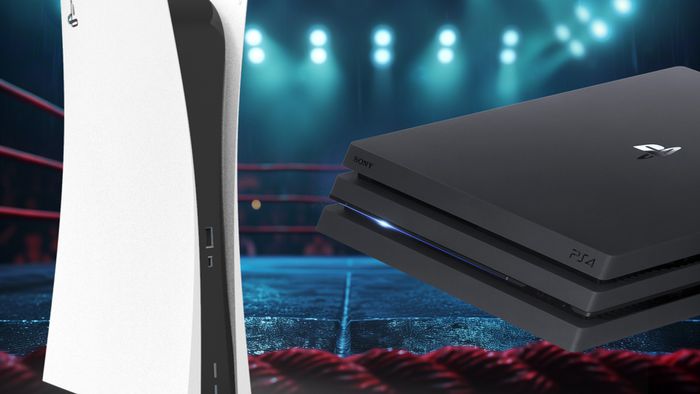
The PlayStation 4, a machine that debuted in 2013, has proven remarkably resilient. While the industry’s gaze has firmly shifted toward the PlayStation 5, the older console continues to serve as a primary gateway for millions. This persistence is partly due to the sheer depth of its library—a decade of high-fidelity titles that remain visually impressive and mechanically sound even by modern standards.
However, the "cross-gen" era, where major titles launched on both platforms simultaneously, is rapidly closing. Sony and third-party developers are increasingly prioritizing the PlayStation 5’s bespoke hardware to deliver experiences that the older architecture simply cannot sustain. For players seeking the cultural zeitgeist—the massive, high-budget releases that define the current moment—the transition to the newer console has become less of a luxury and more of a requirement.
Ultimately, the decision to upgrade hinges on one's relationship with the "new." The PlayStation 5 represents the technical future of the medium, though it carries the burden of higher costs for both hardware and software. Yet, for the player content to mine the riches of the past, the PS4 remains a testament to industrial longevity, offering a vast, affordable ecosystem that hasn't yet lost its spark.
With reporting from Canaltech.
Source · Canaltech