Chronological age is a bureaucratic fiction. A passport measures only the Earth's revolutions around the sun, offering a poor proxy for the actual state of human tissue. The true metric of decay is biological age—a hidden cellular clock that dictates how rapidly our systems are degrading. This distinction forms the foundation of modern geroscience, shifting the scientific focus from merely observing the passage of time to quantifying the molecular errors that accumulate within our bodies. Morgan Levine, a former pathology professor at Yale University who now leads research at Altos Labs’ San Diego Institute of Science, represents the vanguard of this shift. Her work at the intersection of bioinformatics and cellular biology reframes aging not as an inevitable natural law, but as a measurable, and potentially malleable, biological trajectory.
The Epigenetic Architecture of Decay
The transition from chronological to biological aging relies on the science of epigenetics—the chemical modifications that turn genes on or off without altering the underlying DNA sequence. As cells divide and encounter environmental stressors, epigenetic markers degrade. This loss of cellular identity cascades from microscopic molecular errors into systemic tissue decline. Levine’s research utilizes complex biostatistics to track these trajectories, effectively building an epigenetic clock that reveals the true pace at which an organism is aging beneath the surface.
This marks a profound departure from historical medical approaches. Throughout the 20th century, modern medicine operated on a reactive paradigm, treating the downstream consequences of aging—such as cardiovascular disease, neurodegeneration, and cancer—as isolated pathologies. The current biological age framework suggests these are merely symptoms of a deeper, singular disease: aging itself. By measuring the epigenetic clock, researchers can identify the onset of systemic decline long before clinical symptoms manifest.
Understanding aging as a quantifiable disease state radically alters the therapeutic landscape. If biological age can be accurately measured across different species, interventions can be tested for their ability to slow this underlying clock. Lifestyle factors, particularly caloric restriction and specific nutritional interventions, have demonstrated the capacity to influence these epigenetic markers. Yet, merely slowing the clock is no longer the ultimate frontier for researchers in this space.
Cellular Reprogramming and the Optimization Trap
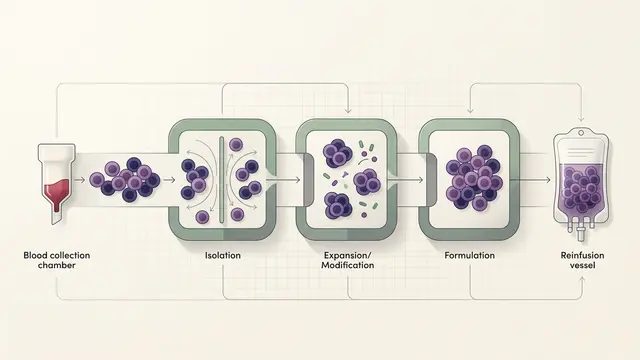
The most aggressive vector in longevity research has moved past slowing decay and toward active reversal. Cellular reprogramming—forcing mature cells back into a younger, pluripotent state—dominates the agenda at institutions like Altos Labs. By manipulating specific transcription factors, scientists can theoretically erase the epigenetic damage accumulated over decades. However, the attempt to reprogram cells to a younger state introduces immense biological risk, primarily the danger of over-optimizing the system.
Intervening in complex biological systems requires precision to avoid catastrophic failures. Pushing a cell too far back along its developmental trajectory risks stripping it of its necessary identity, potentially triggering unregulated growth and oncogenesis. The challenge is not merely proving that age reversal is biologically possible in a petri dish, but demonstrating that it can be safely modulated within a living organism. Levine’s focus on the molecular trajectories of aging tissues is critical here; scientists must understand the exact path of decay to safely reverse it without causing collateral damage.
Classifying aging as a disease is not merely semantic; it dictates regulatory pathways and capital allocation. While extreme caloric restriction and experimental reprogramming dominate headlines, the immediate scientific reality is grounded in data. Measuring biological age provides a feedback loop for both mundane lifestyle changes and radical cellular interventions, separating rigorous science from the broader cultural obsession with eternal youth.
The ability to accurately measure biological age fundamentally changes how we approach human longevity. The objective is no longer the mere extension of lifespan—prolonging the morbid phase of existence—but the expansion of healthspan. As researchers map the precise molecular trajectories of aging cells, the distinction between chronological inevitability and biological plasticity becomes clear. What remains unresolved is whether the radical interventions currently being tested in bioinformatics labs can be safely translated into systemic human therapeutics, or if the biological clock possesses hard limits we have yet to discover.
Source · The Frontier | Society