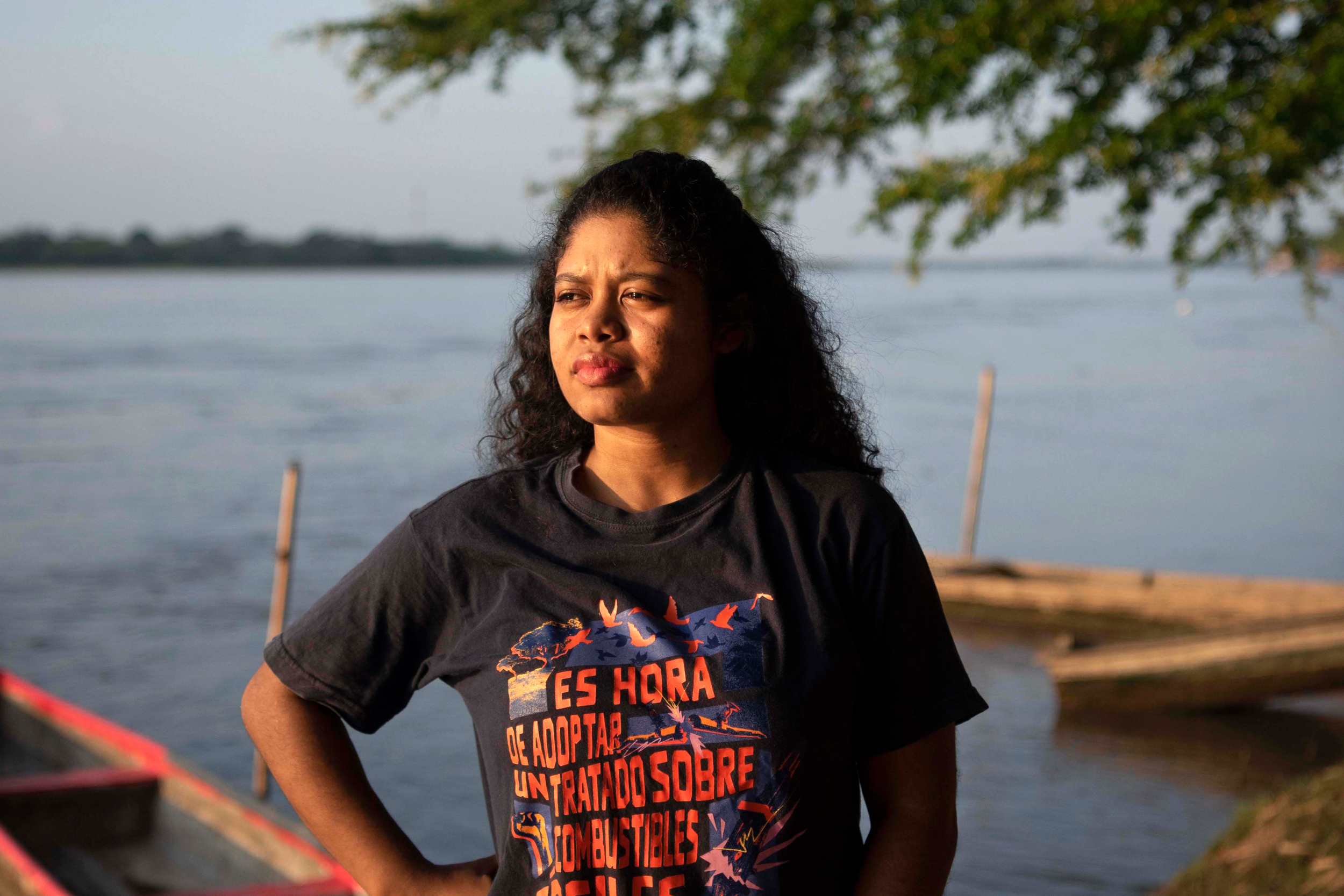
The Magdalena River is more than a waterway; it is the biological and cultural spine of Colombia. For Yuvelis Morales Blanco, a 24-year-old activist who grew up on its banks, the river represents a system of life that preceded and must outlast industrial extraction. Her work to halt hydraulic fracturing—fracking—along this biodiverse corridor has recently earned her the Goldman Environmental Prize, the world’s most prestigious award for grassroots environmentalism.
The victory was not won in a vacuum. Morales Blanco emerged as a central figure in a national movement that challenged the expansion of fossil fuel infrastructure into sensitive ecosystems. By leveraging the "Rights of Nature" legal framework, her advocacy helped secure a moratorium on fracking in Colombia, a significant pivot for a nation grappling with the tension between economic development and environmental preservation.
This defense of the Magdalena came at a steep personal cost. Morales Blanco has faced persistent death threats and periods of forced exile, a common reality for environmental defenders in South America. Yet, her recognition by the Goldman Prize underscores a shifting global paradigm: viewing rivers and forests not as resources to be exploited, but as legal entities with an inherent right to exist and flourish.
With reporting from Inside Climate News.
Source · Inside Climate News