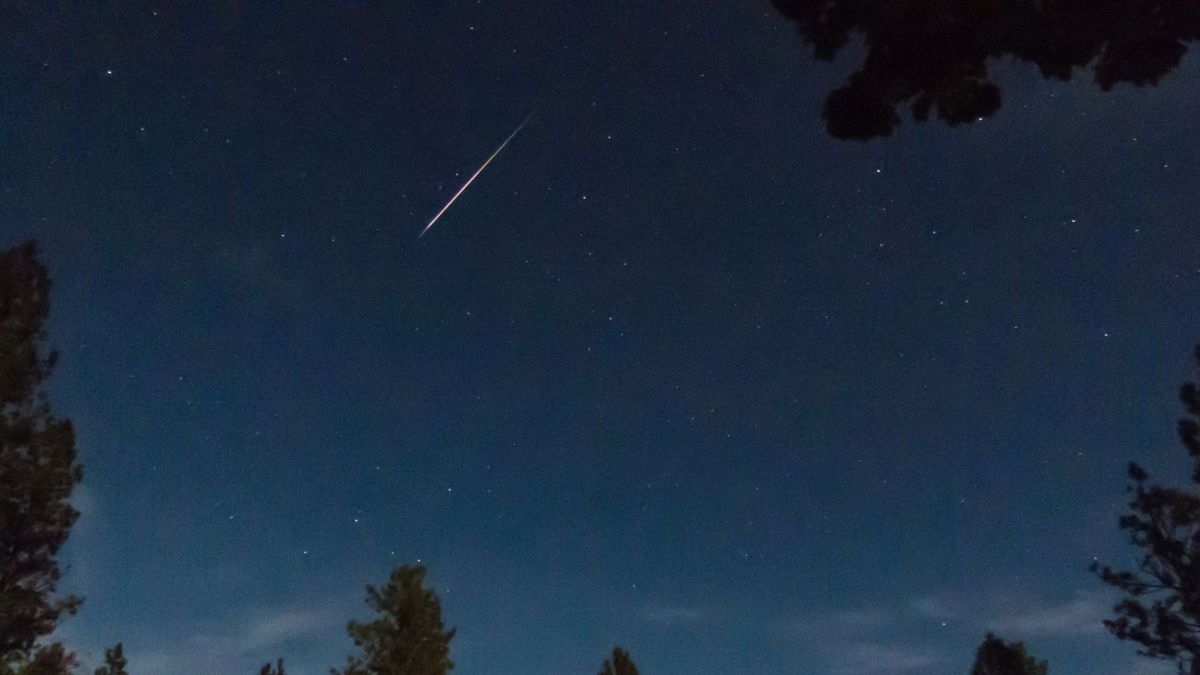
The Lyrid meteor shower remains one of the most enduring celestial events in the human record, with observations dating back more than 2,700 years. In April 2026, this annual display of cosmic debris will once again intersect with Earth’s orbit, peaking on the night of April 22. Originating from the trail of Comet C/1861 G1 Thatcher, the shower offers a brief, luminous window into the ancient mechanics of our solar system.
Observation of the Lyrids requires little more than patience and a retreat from the persistent glow of urban light pollution. While the shower is known for occasional "outbursts" of higher activity, viewers can typically expect a steady stream of meteors—roughly 15 to 20 per hour—streaking away from the radiant point near the constellation Lyra. The success of any viewing session in 2026 will remain contingent on local weather patterns and the clarity of the spring sky.
These events serve as a quiet reminder of the Earth’s transit through a cluttered and ancient neighborhood. For those willing to find a dark patch of horizon, the Lyrids represent a rare moment of stillness, where the scale of the universe becomes briefly, brightly visible against the dark.
With reporting from Numerama.
Source · Numerama