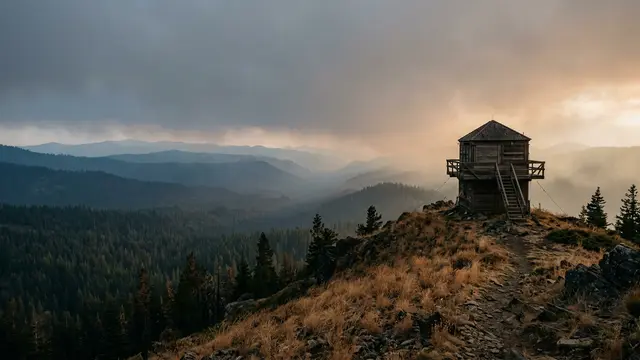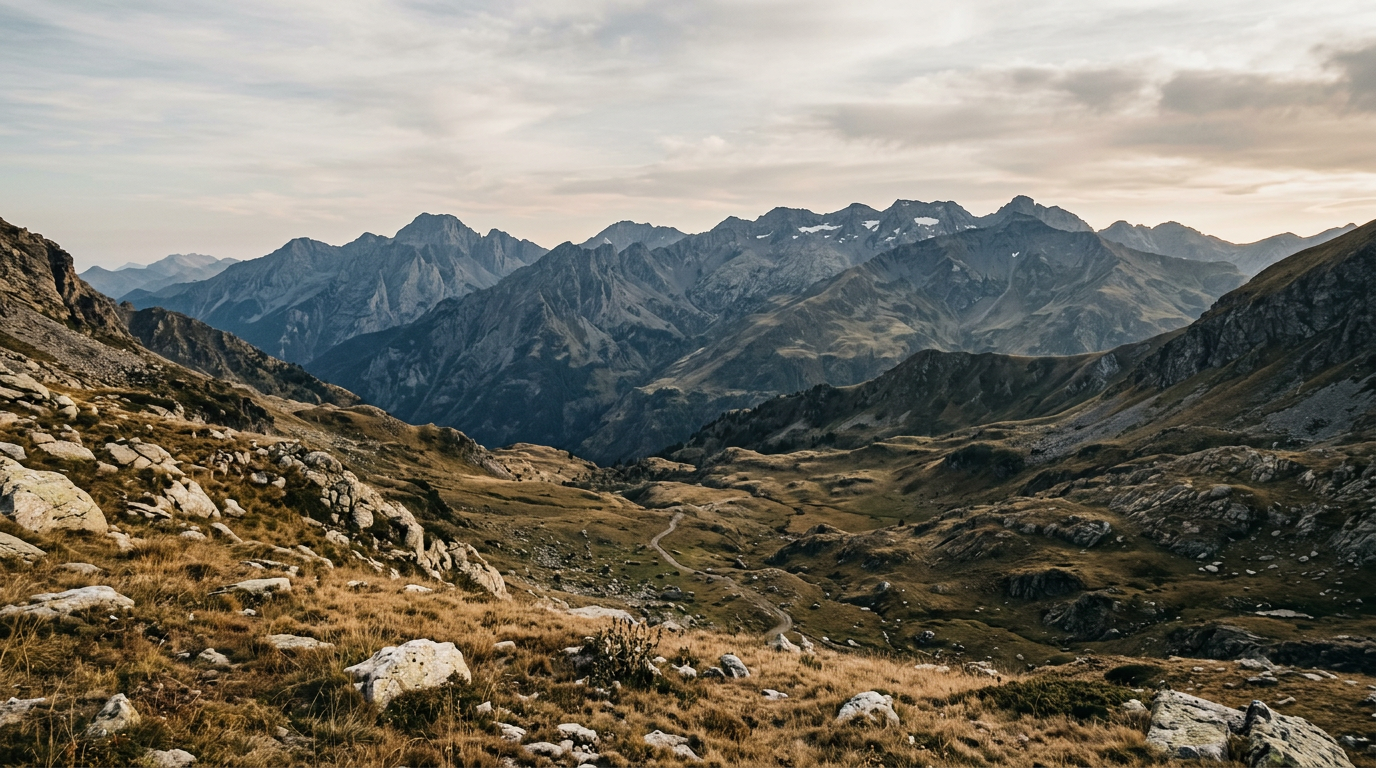
The Pyrenees, acting as a natural laboratory for European climate monitoring, are currently undergoing a profound and rapid transformation. According to reporting from the Pyrenean Climate Change Observatory (OPCC) and data synthesized by Meteocat, the mountain range is experiencing a structural shift in its climate patterns that far outpaces historical variability. Between 1959 and 2024, the range recorded a mean annual temperature increase of 1.9 °C, but the most alarming trend is the asymmetry of this warming. While winter temperatures have risen by 1.4 °C, summer temperatures have surged by 2.7 °C, signaling a definitive "mediterranization" of the high-altitude ecosystem.
This shift is not merely a statistical anomaly but a fundamental alteration of the mountain's physical identity. The data indicates that the region now experiences three fewer days of frost and five additional days of summer per decade. This sustained trend, observed across 65 years of high-quality monitoring, underscores a transition toward a climate regime that is significantly drier and warmer, particularly on the southern slopes. The editorial imperative here is clear: the Pyrenees are not just witnessing a change in weather, but a systemic degradation of the environmental conditions that have historically defined the region’s ecological stability.
The Anatomy of an Accelerated Shift
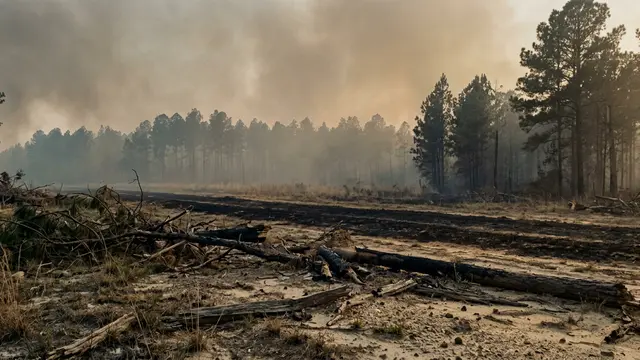
The Pyrenees serve as a critical "climate island" for alpine species, many of which are endemic and possess limited capacity to migrate to higher altitudes or further north. As the thermal envelope of these species contracts, the biological diversity of the range faces an existential threat. The structural nature of this warming, characterized by a doubling of the warming rate during summer months, creates a compounding effect on the landscape. Increased evapotranspiration, driven by higher summer temperatures, strips moisture from the soil even if annual precipitation levels remain relatively stable. This creates a state of chronic summer water deficit, which reduces the resilience of the ecosystem against external disturbances such as wildfires and invasive pest migrations.
Furthermore, the orography of the Pyrenees has historically acted as a natural shield, preserving certain habitats from direct human impact. However, this geological protection offers little defense against the indirect, pervasive effects of global climate change. The data from the OPCC, which integrates observations from Spanish, French, and Andorran meteorological services, highlights that the warming is not uniform. The southern slopes, in particular, are experiencing intensified hydrological stress, which threatens to disrupt the delicate balance of flora and fauna that have evolved in these specific microclimates over millennia. The transformation of the Pyrenees into a more Mediterranean-like environment is effectively rewriting the rules of survival for its inhabitants.
Hydrological Implications and Regional Security
The implications of this climatic shift extend far beyond the mountain peaks, touching the water security of millions of people across Southern Europe. The Pyrenees function as a critical water tower for the region, with snow and ice accumulation feeding major river basins such as the Ebro, the Segre, and the Garonne. These rivers are essential lifelines for agricultural irrigation, urban consumption, and the maintenance of downstream fluvial ecosystems. As the climate warms, the duration and depth of the snowpack are significantly reduced, shifting the hydrological regime toward earlier melt and lower summer flows. This transition complicates water management strategies that were designed for a more predictable, historically consistent seasonal cycle.
For stakeholders—including agricultural cooperatives, municipal water authorities, and national regulators—this represents a significant planning challenge. The reliance on the Pyrenees as a reliable water source is being tested by the reality of a shorter winter season and an extended, hotter summer. When the natural "grifo" (tap) of the mountains is compromised by rising temperatures, the burden of water security shifts to human-engineered infrastructure, which may not be equipped to handle the increased variability. The mismatch between existing water management infrastructure and the evolving climate reality necessitates a radical rethink of resource allocation and conservation strategies in the surrounding territories.
Governance and the Cross-Border Challenge
The response to these ecological shifts is complicated by the jurisdictional landscape of the Pyrenees, which spans three sovereign states. The project LIFE Pyrenees4Clima represents a pioneering effort to unify climate data and policy, yet it highlights a persistent institutional tension: the disparity in national regulatory frameworks. Effective climate resilience requires the seamless interoperability of physical resources, meteorological data, and emergency response protocols. While the Pyrenees are a single bioregion, the political borders that slice through the range have historically slowed the implementation of unified adaptation strategies. The development of a "Pyrenean Forest Emergency Protocol" is a necessary step, but it is only one component of the broader, required institutional alignment.
Looking ahead, the central question remains whether regional governance can evolve as rapidly as the climate itself. The integration of 16 key recommendations from the OPCC into actionable policy will require sustained political will from Madrid, Paris, and Andorra la Vella. As the Mediterraneanization of the Pyrenees continues to accelerate, the gap between scientific observation and policy implementation remains a primary point of friction. The ability of these nations to move beyond symbolic cooperation toward a truly interoperable, transnational climate management system will determine the long-term viability of the Pyrenean ecosystem and the communities that depend upon it.
As the data continues to demonstrate a clear trend of warming and desiccation, the focus must shift from long-term monitoring to the immediate implementation of adaptation measures. The resilience of the Pyrenees is no longer a theoretical concern for the future; it is a present-day reality that demands a reevaluation of how natural resources are managed across borders. Whether this structural change can be mitigated through regional policy or if it is now an inevitable trajectory remains the defining challenge for the region.
With reporting from Xataka
Source · Xataka