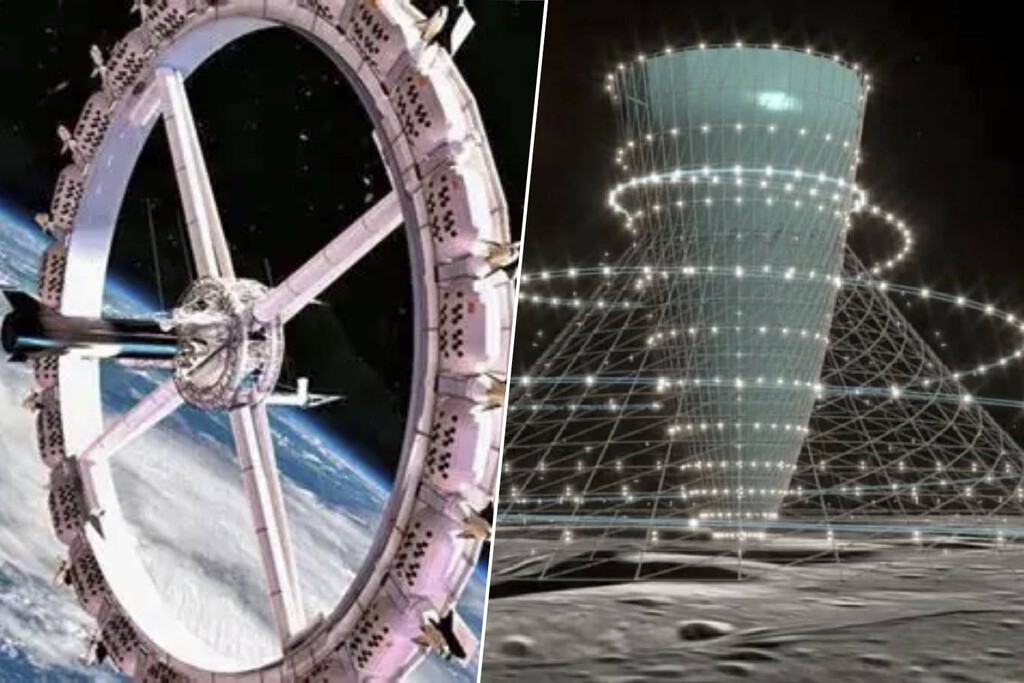
With the success of the Artemis II mission, humanity once again regards Mars with a blend of ambition and pragmatism. However, human biology imposes a severe limitation: our bodies were not designed for prolonged microgravity. For stays exceeding months aboard the International Space Station, the creation of artificial gravity transcends a science fiction concept to become a medical imperative. The theoretical solution to this problem has been known since the early 20th century. Albert Einstein's Principle of Equivalence posits that gravity and acceleration are indistinguishable effects. In theory, a spacecraft would merely need to accelerate constantly at 9.8 m/s² for astronauts to experience the same pressure underfoot as they do on Earth. The challenge, therefore, is not one of physical comprehension, but of technical feasibility. The primary obstacle lies in energy efficiency. Sustaining constant acceleration during an interplanetary journey would demand a quantity of fuel that current propulsion technologies cannot accommodate. While Einstein's physics offers us the blueprint, engineering presents the barrier: without new energy paradigms, artificial gravity remains an elegant practical impossibility. Source: Xataka.
Source · Xataka