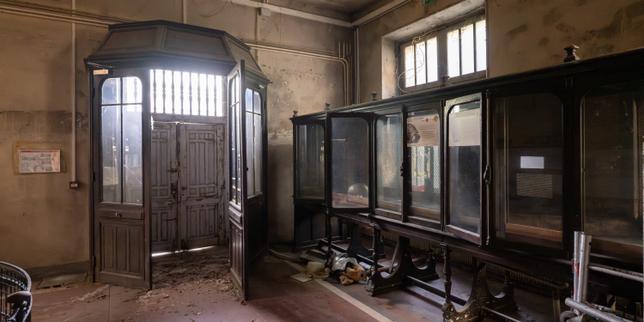
As it celebrates four centuries of existence as a cornerstone of global science, France's National Museum of Natural History (MNHN) confronts a stark paradox. Despite record attendance and unwavering academic prestige, the institution's inner workings reveal a landscape of structural neglect that jeopardizes centuries of accumulated knowledge. The warning originated from its president, Gilles Bloch, who describes an alarming reality: flooded libraries, chronic leaks, and cracks traversing the walls of historic buildings. The most dramatic situation unfolds within the osteological collections, where fluctuations in humidity and temperature cause mineralized bones to undergo chemical reactions and, in Bloch's words, literally "explode," transforming rare fossils into dust. The crisis is not merely aesthetic; it poses a direct threat to the integrity of global scientific heritage. Mold consumes unique botanical specimens, and the dearth of investment in basic infrastructure compromises the safety of researchers and visitors. The MNHN's plea for help resonates as a warning regarding the fragility of scientific memory in the face of budgetary neglect, at a time when biodiversity preservation has never been more central. With information from Le Monde Sciences.
Source · Le Monde Sciences