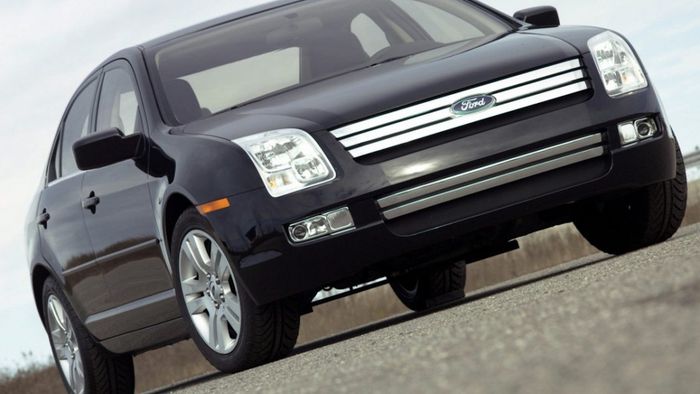
The Brazilian automotive landscape is undergoing a silent yet profound transformation. Where once mainstream luxury sedans — such as the Chevrolet Omega, Volkswagen Santana Executive, and Ford Fusion — reigned, today a market void remains. Traditional automakers have redirected their investments toward high-volume SUVs and entry-level hatchbacks, leaving enthusiasts of three-box designs at a crossroads between prohibitively expensive German models and a scarcity of alternatives. Launched in Brazil in November 2006, the Ford Fusion quickly became an emblem of status and sophistication. Imported from Mexico in its SEL version with a 2.3-liter, 162 hp engine, the model offered a balance of performance and comfort that even led it to join the country's presidential fleet. It was the answer for those seeking executive refinement without necessarily transitioning to the strict luxury niche of BMW or Mercedes-Benz. Today, the exercise of imagining a Fusion's price adjusted for inflation reveals not only the increased cost of production but also a drastic shift in manufacturers' priorities. With a focus on high-volume models and optimized margins, the mid-size to large sedan has become an endangered species in the portfolios of popular brands, replaced by sport utility vehicles that, while technological, often do not replicate the driving experience of classic sedans. With information from Canaltech.
Source · Canaltech