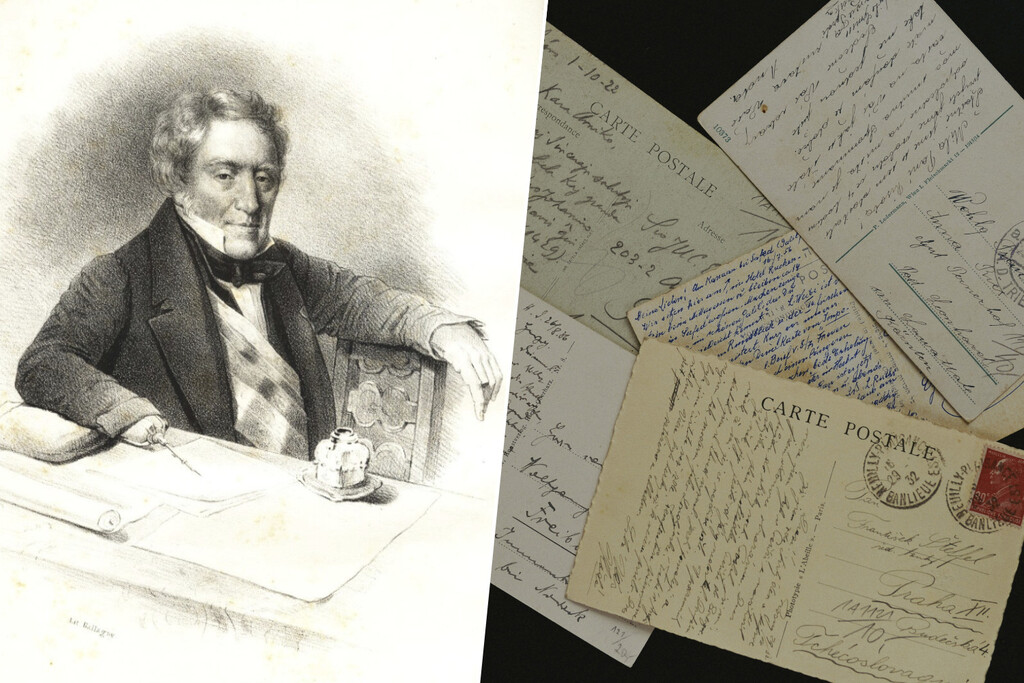
Innovation is not always synonymous with humanitarian progress. In October 1829, Nazario Eguía, then Captain-General of Galicia and a central figure of Spanish absolutism, received an envelope in his office in Santiago de Compostela that would change the history of political criminality. Upon breaking the seal, the correspondence detonated, striking Eguía with shrapnel and causing over a dozen severe injuries to his hands and torso.
That episode is recognized as the first documented record of a letter bomb in history. Eguía, a military officer with a brilliant career who exchanged ecclesiastical studies for arms to fight Napoleon's troops, was known for a temperament described as "excessively harsh." His relentless administration and anti-liberal convictions garnered fervent enemies, who decided to respond to authoritarianism with a chemical sophistication lethal by 19th-century standards.
Historical investigations and suspicions indicate that the explosive device did not originate from a military arsenal, but from the back rooms of a pharmacy in Vigo. Mastery of elementary chemistry allowed opponents to transform an everyday communication object into a weapon of absolute surprise. Although he survived the attack and continued his political trajectory as the Count of Casa Eguía, the military officer bore the scars of a tragic pioneering: that of being the first victim of postal terrorism.
With information from Xataka.
Source · Xataka