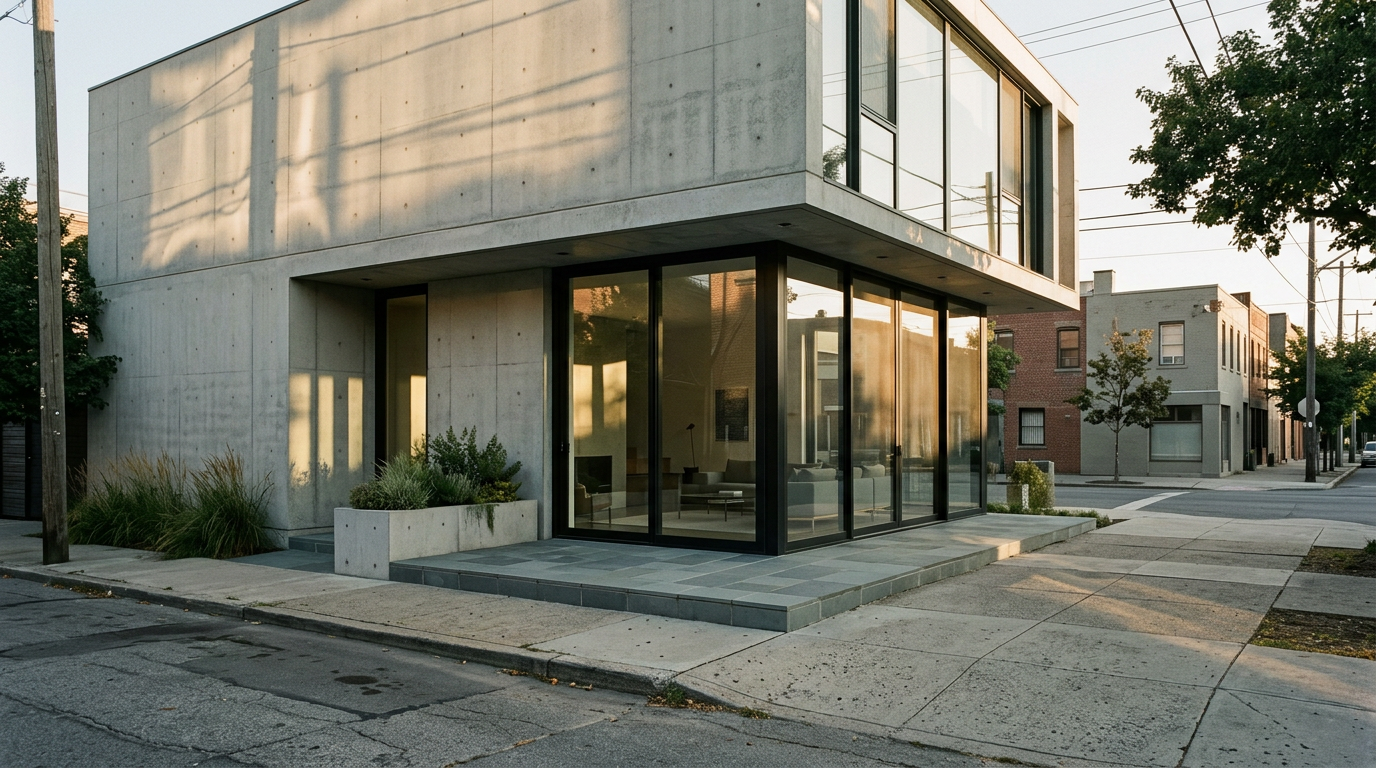
The TN House, a two-story residence recently completed in Bangkok, Thailand, serves as a contemporary exploration of the intersection between private domesticity and social interaction. Designed by IDIN Architects for a couple with a strong focus on art and hospitality, the 640-square-meter project occupies a corner plot within the city, an environment typically characterized by high density and the necessity for defensive architectural boundaries. According to reporting from ArchDaily, the project is defined by its intentional blur between interior and exterior spaces, a design strategy that seeks to reconcile the need for a functional home with the desire for a porous, welcoming social environment.
At the core of this project lies a fundamental shift in how residential architecture addresses the urban fabric. Rather than retreating from the city, the design utilizes structural transparency to invite the surroundings into the domestic sphere. This approach suggests a broader trend in high-end residential architecture, where the concept of the 'fortress home' is being replaced by structures that leverage design to create flexible, multi-purpose environments capable of adapting to the shifting requirements of the modern homeowner.
The Architecture of Spatial Fluidity
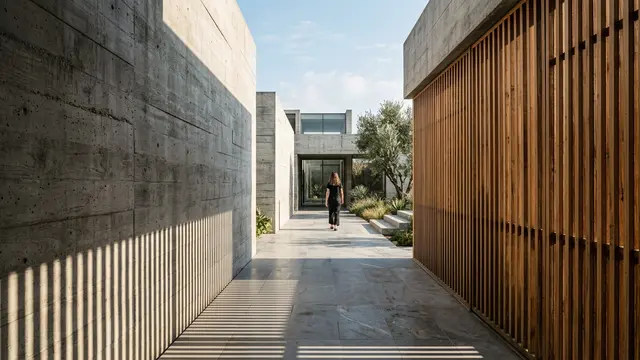
Modern urban residential design has long struggled with the tension between the necessity for privacy and the human desire for connection. In a dense, tropical metropolis like Bangkok, the challenge is amplified by climatic conditions that necessitate ventilation and cooling, often at the expense of privacy. The TN House addresses this through a spatial configuration that prioritizes the continuity of the floor plan. By stripping away rigid divisions between the living areas and the exterior, the architects have created an environment where the transition between indoors and outdoors is not merely a physical passage but a thematic extension of the home's primary purpose.
Historically, the urban house has been defined by its walls, which act as a barrier against the noise, pollution, and unpredictability of the city. However, the contemporary shift toward 'fluid' architecture suggests that the value of a property is increasingly tied to its ability to modulate this connection. In the case of the TN House, the design logic is grounded in the idea that architecture should not be a static container for life, but a dynamic stage for social interaction. By utilizing the corner plot to its advantage, the residence creates a visual and physical dialogue with the street, effectively expanding the footprint of the living space into the surrounding landscape.
This approach mirrors a wider architectural movement that favors permeability. In cities where land is scarce and costly, the psychological impact of feeling 'trapped' within a confined space is significant. By designing for transparency, architects can mitigate the sense of density, providing residents with a sense of openness that is usually reserved for rural or suburban settings. This is not a rejection of the city, but an integration into it, where the residence becomes a participant in the urban experience rather than an observer.
Mechanisms of Adaptability and Social Utility
To understand the efficacy of the TN House, one must look at the mechanisms of its adaptability. The design relies on a modular layout that allows the residents to reconfigure their space depending on the nature of their social gatherings. This is a critical component of modern residential programming; as the boundaries between work, leisure, and hospitality continue to dissolve, the physical architecture must possess the capacity to pivot. The use of large-scale openings and the deliberate placement of communal areas suggest a strategy of 'programmed flexibility,' where the architecture dictates the flow of people and energy without forcing a specific, immutable usage.
Furthermore, the integration of art into the domestic space acts as a secondary layer of the design, necessitating a neutral but sophisticated backdrop that does not compete with the curated collection. This creates a gallery-like atmosphere, which in turn influences the social dynamics of the house. When a residence is designed to showcase art, it inherently becomes a place of performance and exhibition. The architecture, therefore, acts as a facilitator for these interactions, providing the necessary infrastructure for the owners to host friends and social gatherings with ease. The success of this design lies in its ability to balance the technical requirements of a climate-responsive structure with the aesthetic demands of an art-centric lifestyle.
This mechanism of 'social architecture' is becoming a hallmark of high-end urban commissions. Clients are no longer asking for mere square footage or traditional room definitions; they are commissioning environments that enable specific lifestyles. By focusing on the interface between spaces, IDIN Architects have demonstrated that even in a constrained urban setting, it is possible to achieve a sense of expansive freedom through thoughtful geometry and material selection. This is not merely about aesthetics; it is about the functional optimization of space to serve the evolving needs of the contemporary socialite.
Implications for Urban Planning and Stakeholders
For regulators and urban planners, projects like the TN House present both a challenge and a model for future development. While the high-end residential sector often operates within its own sphere, the principles of spatial permeability have significant implications for the wider urban environment. If more residential projects were to adopt this 'porous' design philosophy, the street-level experience of a city could be transformed from a series of blank, defensive walls into a more engaging, visually interesting, and socially active corridor. This shift could potentially improve the quality of life in dense urban areas by humanizing the scale of the built environment.
For competitors and developers, the project highlights a shift in market demand toward 'lifestyle-first' architecture. The value proposition is no longer centered solely on location or luxury finishes, but on the experiential quality of the space. As potential buyers become more sophisticated in their understanding of design, the pressure on architects to deliver projects that offer genuine flexibility and spatial intelligence will continue to mount. This creates a competitive environment where the ability to synthesize complex social needs into a coherent architectural form becomes the primary differentiator.
The Uncertain Future of Domestic Space
Despite the success of the TN House, questions remain regarding the long-term scalability of such designs in the context of urban sustainability. As cities continue to face the challenges of climate change and extreme weather events, the reliance on high levels of transparency and open-air connectivity may face scrutiny. Can these architectural models remain viable as urban environments become more volatile? The tension between the desire for open, airy living and the need for robust, protective shelter is a fundamental dilemma that architects will be forced to navigate in the coming decades.
Furthermore, the evolution of residential design will likely be shaped by the increasing integration of smart building technologies. As home automation becomes more sophisticated, the distinction between 'active' and 'passive' architectural elements will blur, potentially allowing for even greater flexibility in how we inhabit our homes. Whether these technologies will enhance the human-centric focus of projects like the TN House or lead to a new era of technological artifice is a question that remains to be answered. The trajectory of urban residential design will be defined by how successfully architects can balance these competing demands.
Ultimately, the TN House stands as a testament to the ongoing evolution of the urban residence as a site of both private reflection and public engagement. As the requirements of contemporary living continue to shift, the architectural response will likely become increasingly nuanced, favoring designs that prioritize adaptability and human connection. Whether this model can be effectively translated into more accessible housing segments remains a significant challenge, yet the principles established here offer a compelling framework for future exploration.
With reporting from ArchDaily
Source · ArchDaily